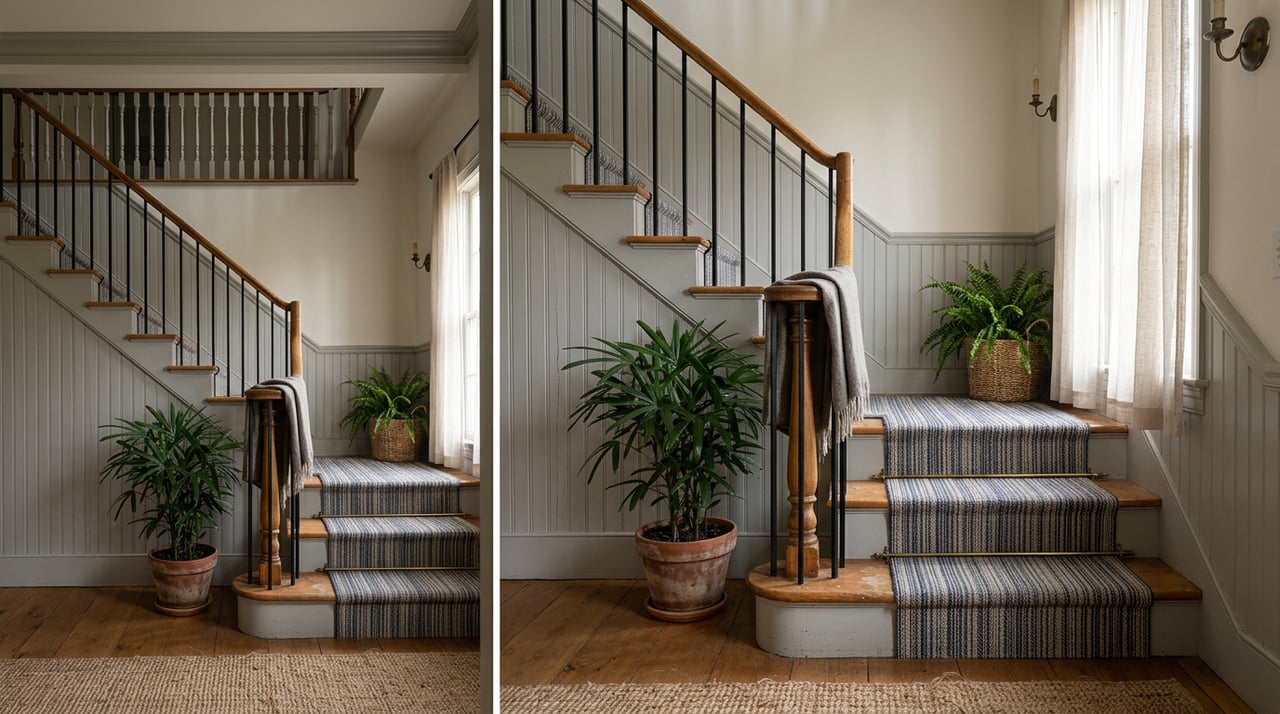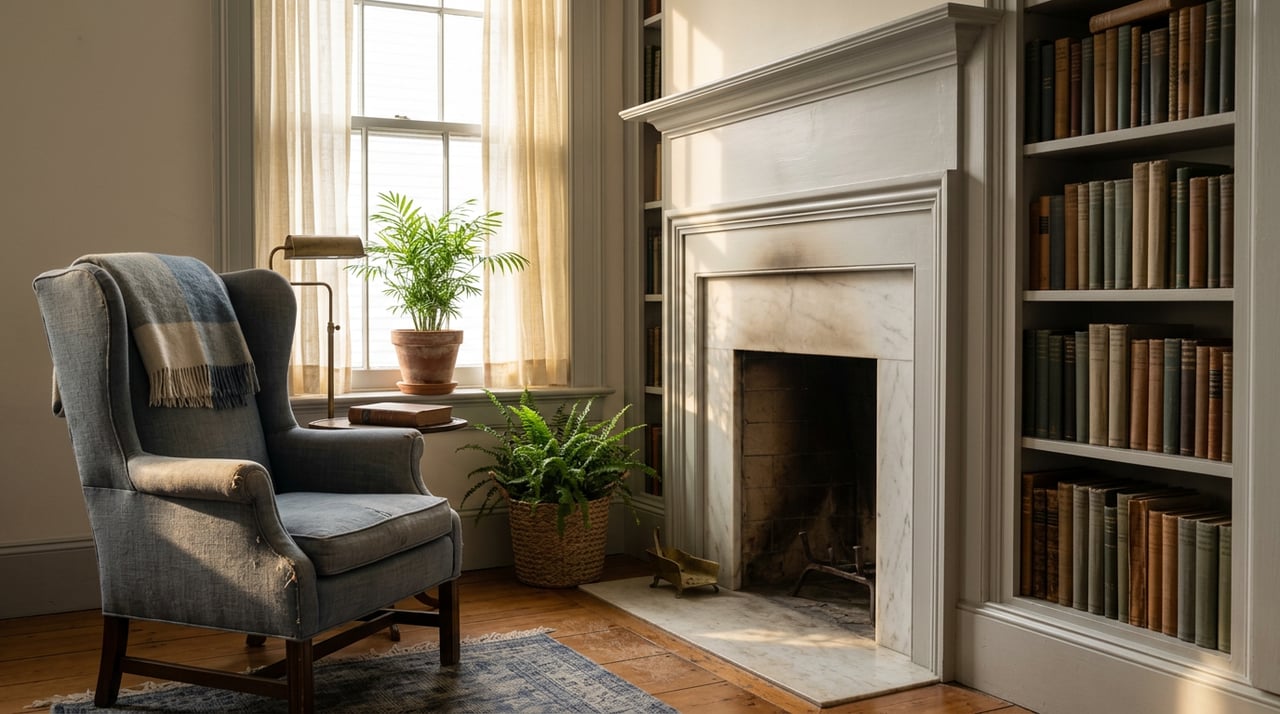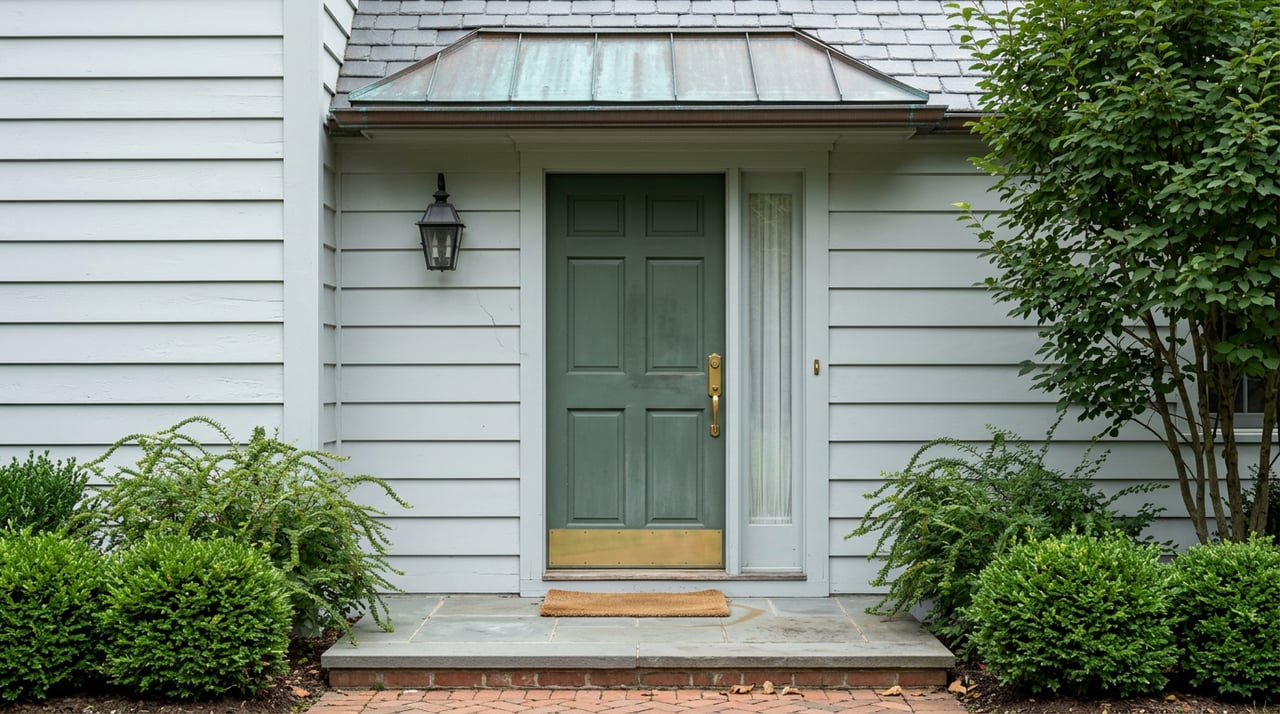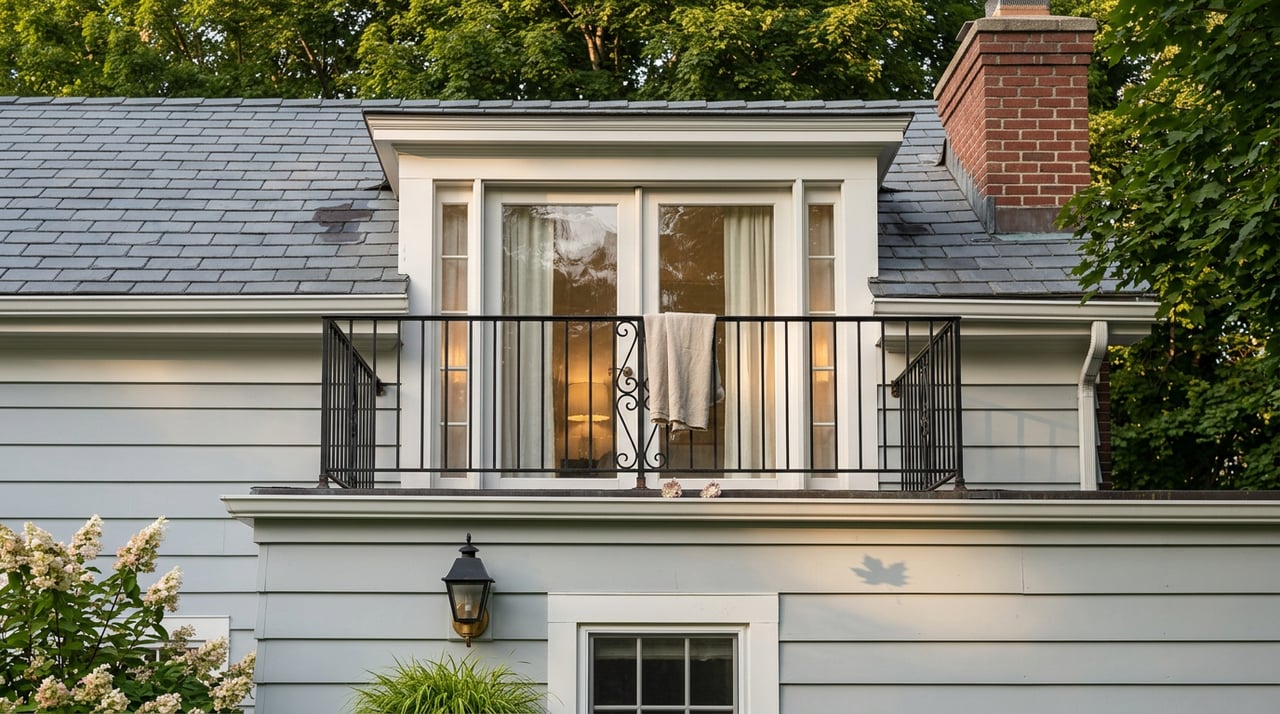
If you are trying to buy in Grosse Pointe Shores, you are not shopping in a market with endless backup options. This is a very small community with limited inventory, and that can make the right home feel even more important when it appears. The good news is that winning here is not always about making the riskiest offer. It is usually about being prepared, moving quickly, and knowing where to stay flexible. Let’s dive in.
Why Grosse Pointe Shores Feels Competitive
Grosse Pointe Shores is uniquely limited by size. Wayne County describes it as the smallest of the five Grosse Pointe communities, with just 1.1 square miles of land, 18.1 square miles of Lake St. Clair waters, and zoning entirely for single-family households. In practical terms, that means you may not have many true substitutes if a specific home fits your goals.
That small supply helps explain why the market can feel competitive even when broad metrics look moderate. Zillow listed 6 homes for sale as of March 31, 2026, while Realtor.com showed 9 homes for sale in March 2026. When there are only a handful of active listings, one strong property can attract fast attention.
At the same time, this is not a market where every home flies off the shelf in a weekend. Redfin reports homes selling in about 43 days on average and roughly 4% below list, while Realtor.com describes the village as a balanced market with homes selling for about asking price on average. Those signals tell you something important: some homes move fast, but not every listing becomes a bidding war.
What the Data Means for You
Recent sales show just how much variation matters in Grosse Pointe Shores. One home on Lake Shore Road sold in 14 days at 2% under list, another on Moorland sold in 22 days at list, and a home on Belle Meade took 166 days. That spread suggests that pricing, condition, and overall presentation can matter as much as the market label itself.
For you as a buyer, that means a smarter strategy beats a purely aggressive one. You do not need to assume every offer must waive all protections or go far over asking. You do need to be ready when a well-priced, well-presented home checks the right boxes.
Start With Financing Readiness
Before you tour seriously, get preapproved. A preapproval letter shows a lender’s tentative willingness to lend up to a certain amount, and sellers often want to see one with your offer. The Consumer Financial Protection Bureau also notes that preapproval letters usually expire after 30 to 60 days, so timing matters.
Getting preapproved early helps in two ways. First, it shows sellers that you are serious. Second, it gives you time to uncover and fix any lending issues before you are under pressure to act.
Once you identify the right home, compare actual loan offers. The CFPB recommends requesting Loan Estimates from multiple lenders before choosing a loan. A preapproval does not lock you into that same lender, so you can still shop carefully when the time comes.
Know Your Full Cash Picture
Your purchase budget is more than the down payment. The CFPB says closing costs typically run about 2% to 5% of the purchase price, not including your down payment. You will also want to plan for earnest money, which is the good-faith deposit submitted with your offer.
Earnest money can help show commitment, but it is not a replacement for strong financing. If the transaction closes, that money may be applied to your closing costs or down payment. If a contract ends for a permitted reason, it may be returned, but if a buyer fails to perform in good faith, that deposit can be at risk.
Build a Fast, Clean Offer
In Grosse Pointe Shores, speed matters because desirable homes can move in two to three weeks even in a market that is not overheated overall. If you wait too long to think through terms, financing, or timing, you can miss a property that fits you well. A strong offer is often the one that removes avoidable friction for the seller.
That does not mean removing every protection. The CFPB recommends making an offer contingent on financing and a satisfactory inspection so you are not forced to close if the loan fails or serious issues surface. In a market like this, the better goal is usually a clean, well-organized offer, not a reckless one.
What makes an offer stronger
A competitive offer often includes:
- A current preapproval letter
- Clear proof that you understand your cash to close
- Reasonable earnest money
- Clean timelines for inspection and financing
- Fewer minor asks up front
- Fast communication and quick decision-making
If repairs come up later, it is often wise to focus on meaningful issues instead of every cosmetic item. The CFPB notes that sellers may or may not agree to pay for repairs depending on the contract and market conditions. In a limited-inventory market, staying practical can help keep a good transaction together.
Think Carefully About Rate Locks
Interest rates can change daily, and sometimes even faster than that. According to the CFPB, a rate lock keeps your interest rate from changing between offer and closing if your loan closes within the agreed window and your application details do not change. Common lock periods are 30, 45, or 60 days.
That matters in a market where timing is not always predictable. Some homes close quickly, while others involve longer negotiations or repair discussions. Talk with your lender early about when a rate lock makes sense based on your timeline and comfort with risk.
Protect Yourself on Inspection and Appraisal
Inspection and appraisal are not the same thing, and buyers sometimes confuse the two. The appraisal is typically for the lender, while the inspection is for your protection as the buyer. If your contract is contingent on a satisfactory inspection, the CFPB says you can cancel without penalty if the results are not acceptable to you.
Schedule your inspection as soon as possible after acceptance. The CFPB also advises attending the inspection if you can and checking the inspector’s references and licensing authority. That can help you understand the home more clearly and avoid unpleasant surprises later.
If major issues show up, remember that the lender may require repairs or an escrow arrangement during the appraisal process. That is another reason not to treat inspection planning as an afterthought. In a higher-value market like Grosse Pointe Shores, due diligence is part of making a smart offer.
Ask Extra Questions Near the Water
Because Grosse Pointe Shores is so closely tied to Lake St. Clair, waterfront and lake-adjacent risk questions deserve special attention. The CFPB advises buyers to ask about flood and disaster risk before submitting an offer, and to consider adding an inspection clause that addresses those concerns. This step is especially important if the property sits close to the water or has a history of weather-related issues.
You should also ask whether flood insurance may be required, especially if a home is in a Special Flood Hazard Area. The CFPB notes that flood insurance can cost more than buyers expect. For some properties, insurance history can also reveal future cost or availability concerns.
Questions worth asking early
Before you write an offer, consider asking:
- Has the property experienced prior flood damage?
- Has any insurer declined to renew coverage?
- Has the property been covered through a FAIR plan or force-placed insurance?
- Is flood insurance currently required or likely to be required?
- Are there known drainage, seepage, or water-management concerns?
Those questions will not eliminate every risk, but they can help you make a more informed decision before you are emotionally committed.
Winning Without Overreaching
The strongest approach in Grosse Pointe Shores is selective strength. You want to be prepared enough to move quickly, informed enough to price risk correctly, and disciplined enough not to give away protections you may need later. In other words, your goal is not to look like the most aggressive buyer on paper. Your goal is to look like the most credible one.
That is where local guidance matters. In a village with very few listings, broad market averages can only tell part of the story. The right strategy depends on the specific home, the seller’s likely priorities, the pace of competing interest, and how cleanly you can perform once your offer is accepted.
Working with an experienced local advisor can help you judge when to push, when to hold the line, and when to move on. That balance is often what helps buyers succeed in a market where no two opportunities look exactly the same.
If you are planning a move in Grosse Pointe Shores, the best first step is to get organized before the right home appears. Shana Sine Cameron brings deep Grosse Pointe market knowledge, thoughtful buyer guidance, and the kind of local insight that can help you compete with confidence.
FAQs
What is the Grosse Pointe Shores housing market like for buyers?
- The Grosse Pointe Shores market is small and low-inventory, with mixed competitiveness signals. Some homes move quickly, while others take much longer, so preparation and property-specific strategy matter.
What should buyers do before making an offer in Grosse Pointe Shores?
- Buyers should get preapproved, understand closing costs and earnest money, compare loan options, and think through inspection and financing terms before the right home comes on the market.
How important is a preapproval letter in Grosse Pointe Shores?
- A preapproval letter is very important because sellers often expect one with an offer, and it helps show that you are serious and financially prepared.
Should buyers waive inspection contingencies in Grosse Pointe Shores?
- Not automatically. A better strategy is usually to keep important protections unless you fully understand and accept the risk of removing them.
What extra risks should buyers consider for Grosse Pointe Shores homes near Lake St. Clair?
- Buyers should ask about flood and disaster risk, possible flood insurance requirements, prior flood damage, and any insurance history that could affect future coverage or cost.