If you are searching for the right part of Grosse Pointe Farms, you are not really choosing between huge subdivisions. You are choosing between streets, corridors, and pockets that each offer a different daily feel. Knowing how the city is laid out can help you focus faster, compare homes more clearly, and buy with more confidence. Let’s dive in.
How Grosse Pointe Farms is laid out
Grosse Pointe Farms is a compact lakefront city with just 2.73 square miles of land and an estimated 2024 population of 9,794. That smaller footprint shapes how buyers shop here. Instead of sorting by large neighborhood names, you will usually compare blocks near the water, streets closer to The Hill, and inland residential corridors.
The city sits along Lake St. Clair, and Wayne County notes that the shoreline bends at “the point,” which means some waterfront homes can face east rather than south. That small geographic detail can matter if views, morning light, or waterfront orientation are high on your wish list. It is one of the reasons street-by-street knowledge matters so much in the Farms.
Why buyers often think in pockets
In many communities, neighborhoods feel neatly separated. In Grosse Pointe Farms, the better way to think is in residential pockets with distinct strengths. Your best fit often depends on whether you care most about water access, walkability to daily errands, historic character, or a wider mix of home styles.
That is also why two homes with similar square footage can feel very different in value. The setting, street character, zoning, and renovation flexibility can all shape the decision. If you understand those layers early, your home search becomes much more efficient.
Lake Shore area for waterfront living
The Lake Shore corridor forms the Farms’ waterfront edge. For many buyers, this is the part of the city most closely tied to views, boating convenience, and easy access to waterfront recreation. Homes in this area are often judged less by proximity to shops and more by their relationship to the lake.
A major reason is Pier Park, the city’s primary public waterfront amenity. The city describes it as offering a beach and swim area, pool, tennis, pickleball, paddle tennis, a refrigerated winter ice rink, a harbor with 333 mooring spaces, and 160 kayak storage racks. Access is managed by resident park passes, and the harbor facilities are for Farms residents only.
If your ideal lifestyle includes boating, water views, or being close to the shoreline, this pocket may rise to the top of your list. It can be especially appealing if you want your home search to center on recreation and lake access. In practical terms, this area often attracts buyers who are willing to trade some in-town convenience for a more waterfront-oriented setting.
What to watch in the Lake Shore corridor
When you compare homes here, pay attention to more than just the address. View orientation, lot placement, traffic patterns, and direct versus nearby water access can all affect how a property lives day to day. Those details may also affect how hard it is to find a close comparable sale.
You will also want to think about competition. Citywide market figures suggest that well-located homes can still move quickly, and waterfront-adjacent blocks are often among the most closely watched areas in the Farms. If a home checks the right boxes, hesitation can be costly.
The Hill area for in-town convenience
If you want a more central, connected feel, The Hill and the Kercheval-Ridge area are often the first places buyers consider. Historical society material notes that the terrain now known as The Hill was the high ground that stood above the prehistoric lake. Today, the city’s planning materials reinforce its role as a key community center by calling for events on The Hill to help activate Kercheval.
For buyers, that usually translates into a more in-town experience. If being closer to daily errands and the city’s central activity matters to you, this pocket often stands out. It is a strong contrast to the more shoreline-focused feel along Lake Shore.
This area can be a smart place to focus if you want convenience without leaving Grosse Pointe Farms. It may also appeal to buyers who want a neighborhood feel tied to the city’s main commercial core. In a compact market like this one, that kind of location can be especially valuable.
Why The Hill draws steady interest
Walkable access tends to stay in demand because it supports daily ease. Even in a small city, being closer to familiar errands and community activity can shape how often you use your surroundings. That is one reason buyers often keep this area high on their shortlist.
The Hill also serves as a useful reference point when you compare listings across the city. A home that sits farther inland may still feel very convenient if it has strong access to this core. That makes location nuance especially important when weighing price and tradeoffs.
Beverly Road for historic character
Beverly Road is one of the most notable historic pockets in Grosse Pointe Farms. The National Park Service lists the Beverly Road Historic District at 23 to 45 Beverly Road and identifies its architecture as Late 19th and 20th Century Revivals, with architects including Albert Kahn. The city also designates Beverly Road as a historic district by ordinance.
For buyers who love architecture and long-term street character, this can be a major draw. Historic designation often helps preserve the visual consistency and significance of the street. It can also mean that homes here feel harder to replicate and harder to compare with homes elsewhere.
That said, historic status can shape your renovation plans. In designated historic districts, exterior work visible from the street or other public property generally requires a historic-district application before work begins. If you hope to quickly change windows, porches, facades, or additions, that review process is important to understand before you buy.
Is a historic district right for you?
If you value architectural integrity and a protected streetscape, a historic pocket may be a great fit. Buyers who appreciate original detail and long-term preservation often see these rules as part of the appeal. They can help maintain a street’s identity over time.
If flexibility matters more to you, ask careful questions before making an offer. Review timelines and approval requirements can affect both cost and project planning. That does not make historic homes less desirable, but it does mean you should go in with clear expectations.
Inland streets for variety and options
Not every buyer wants waterfront living or a formal historic district. The inland streets and transitional boulevards often provide a wider range of home eras, styles, and tradeoffs. Historical society material shows that streets such as Muir, Beverly, and Cloverly developed in different ways as the Farms evolved from estates and farmland into a residential community.
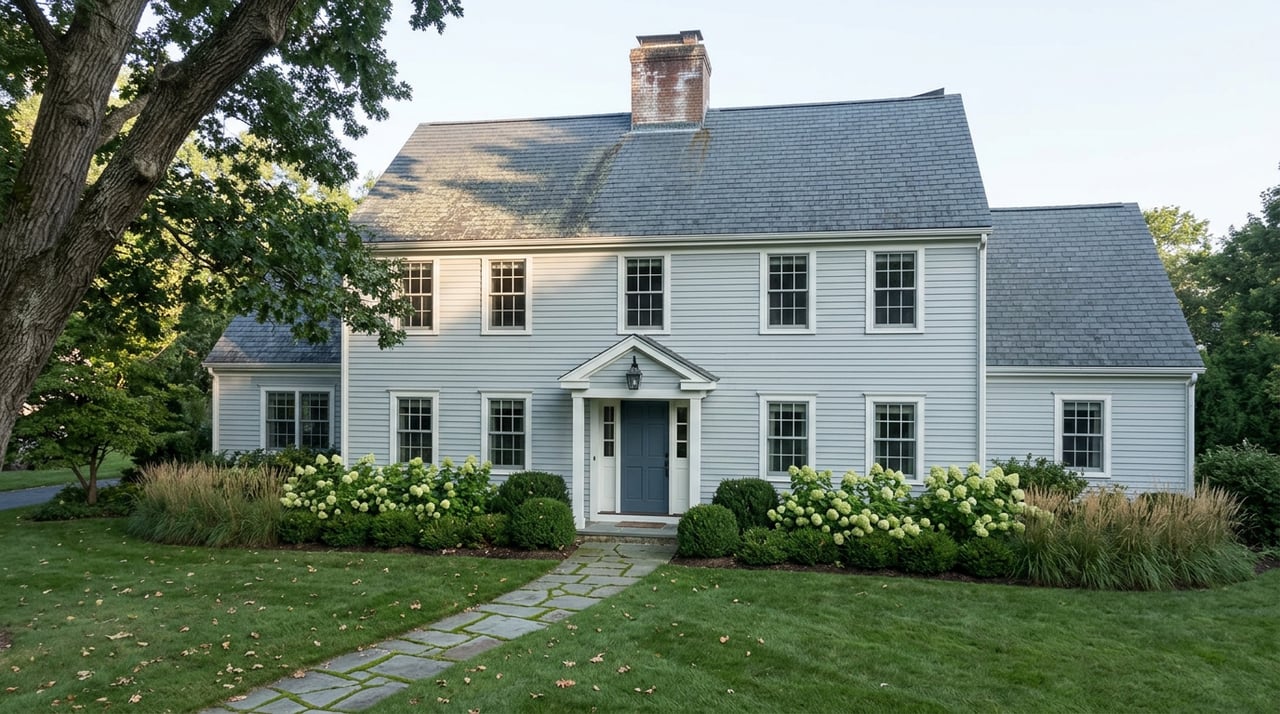
That history helps explain why the inland blocks can feel more varied. The city’s homes have reflected English Tudor, French Renaissance, Italianate, Georgian, Colonial, and Arts and Crafts influences. For buyers, that can mean more choice in architecture and a broader set of options on lot size, house scale, and layout.
This part of the market can be especially useful if you are trying to balance budget, style, and flexibility. Some inland homes may offer a different value equation than lakefront or highly protected historic streets. If you want more room to compare eras and property types, inland blocks are worth close attention.
Why inland blocks matter in your search
The inland streets often show the Farms at its most diverse. You may find a wider spread of home sizes and design styles than you would on the more tightly defined prestige streets. That makes these blocks useful for buyers who want choices rather than one very specific look.
They can also offer practical flexibility. Depending on the exact location and zoning, some homes may come with fewer design-review considerations than those in protected historic areas. For buyers thinking ahead to updates, that can be a meaningful advantage.
How zoning shapes neighborhood feel
One of the most helpful things to know about Grosse Pointe Farms is that its residential core is intentionally low-density and largely single-family. The zoning code sets different minimum floor-area standards by district. R-1 requires at least 1,000 square feet for a one-story house and 1,200 for a 1 1/2-story house, while R-1A requires 1,200 and 1,400, and R-1AA and R-1AAA require 2,000 and 2,200.
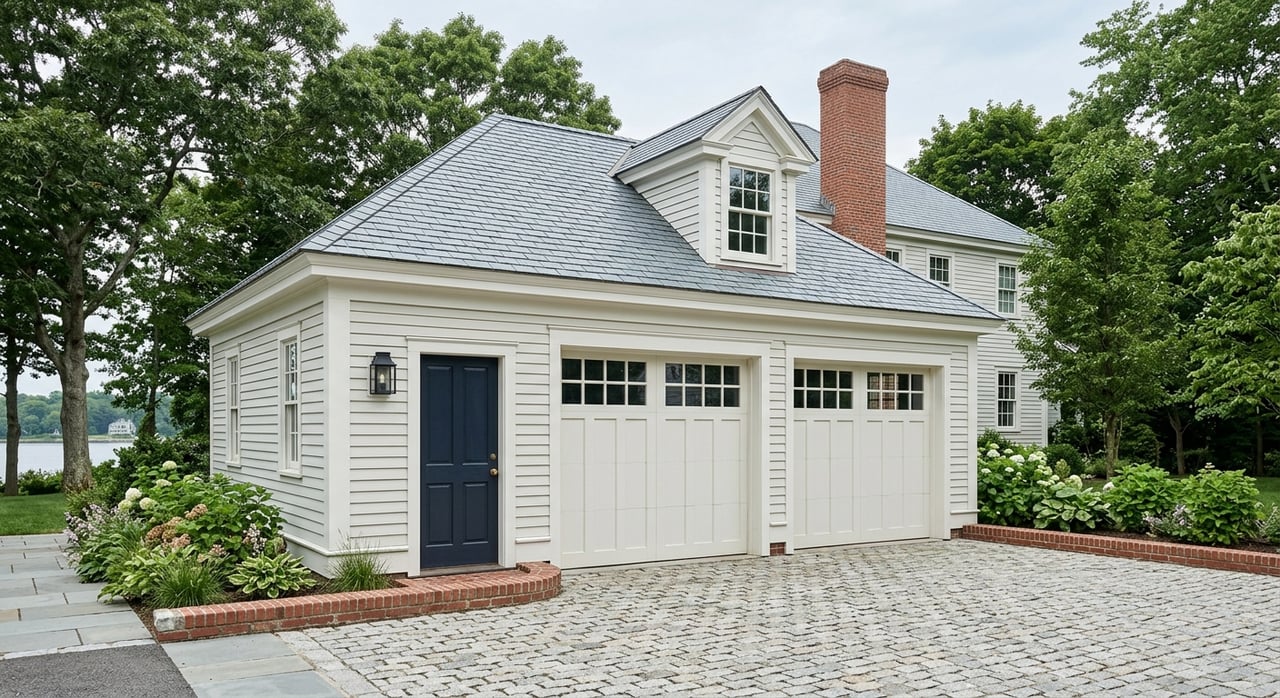
Front setbacks also vary by district. They are 25 feet in R-1 and R-1A, and 30 feet in R-1AA and R-1AAA. The code also requires enclosed garages, and in R-1AA and R-1AAA the garage must accommodate at least two cars.
For you as a buyer, these rules help explain why some streets feel more estate-like and others feel more varied. In simple terms, the character of a block often comes down to house scale, lot scale, and regulatory flexibility. Once you start viewing homes through that lens, the city becomes much easier to read.
What the market means for your search
Current market snapshots show a few different signals, but both point to a market where preparation matters. Redfin reported a median sale price of $495,000 in its most recent update, while Realtor.com reported that in March 2026 Grosse Pointe Farms had 24 homes for sale, a median listing price of $707,000, a median 28 days on market, and a 100% sales-to-list-price ratio.
Those are citywide figures, so they do not tell the full story for each street. Still, they suggest that well-presented homes in strong locations can attract serious attention. In a small city with low-density zoning and limited supply, the best-fit homes often stand out quickly.
That is why many buyers do better when they narrow their focus early. If you know whether you want waterfront access, a more in-town setting, protected architecture, or a broader range of home styles, you can move faster when the right property appears. In Grosse Pointe Farms, clarity is often a competitive advantage.
A simple way to narrow your search
If you are trying to decide where to start, this framework can help:
- Lake Shore / Pier Park zone: best if you prioritize water access, views, and boating convenience.
- The Hill / Kercheval-Ridge area: best if you prioritize a more walkable, in-town feel.
- Beverly Road and other historic pockets: best if you prioritize architectural significance and long-term street character.
- Inland streets such as Muir, Cloverly, and nearby blocks: best if you want more variety in house age, style, and tradeoffs.
There is no single best neighborhood in Grosse Pointe Farms for every buyer. The right choice depends on how you want to live each day and what tradeoffs matter most to you. When you match your priorities to the right pocket, the search usually becomes much clearer.
If you want help reading the street-by-street differences in Grosse Pointe Farms, Shana Sine Cameron can help you compare neighborhoods, understand local market nuances, and identify the right fit for your next move.
FAQs
What are the main neighborhoods for homebuyers in Grosse Pointe Farms?
- Buyers usually compare the Lake Shore waterfront corridor, The Hill and Kercheval-Ridge core, Beverly Road and other historic pockets, and inland streets such as Muir and Cloverly.
Is Grosse Pointe Farms good for waterfront homebuyers?
- Grosse Pointe Farms offers a strong waterfront lifestyle focus, especially near Lake Shore and Pier Park, where residents have access to shoreline amenities and resident-only harbor facilities.
What is The Hill in Grosse Pointe Farms?
- The Hill is the city’s central, higher-ground area around Kercheval Avenue and Ridge Road, and it is often seen as the most in-town, convenient pocket for daily errands and community activity.
Are there historic districts in Grosse Pointe Farms?
- Yes. Beverly Road is a designated historic district, and exterior work visible from the street or other public property generally requires a historic-district application before work begins.
How does zoning affect homes in Grosse Pointe Farms?
- Zoning affects minimum home size, front setbacks, garage requirements, and overall block character, which can influence whether a street feels more varied, more formal, or more estate-like.
How competitive is the Grosse Pointe Farms housing market?
- Recent citywide market data showed 24 homes for sale, a median 28 days on market, and a 100% sales-to-list-price ratio in March 2026, which suggests that well-located homes can still attract strong interest.