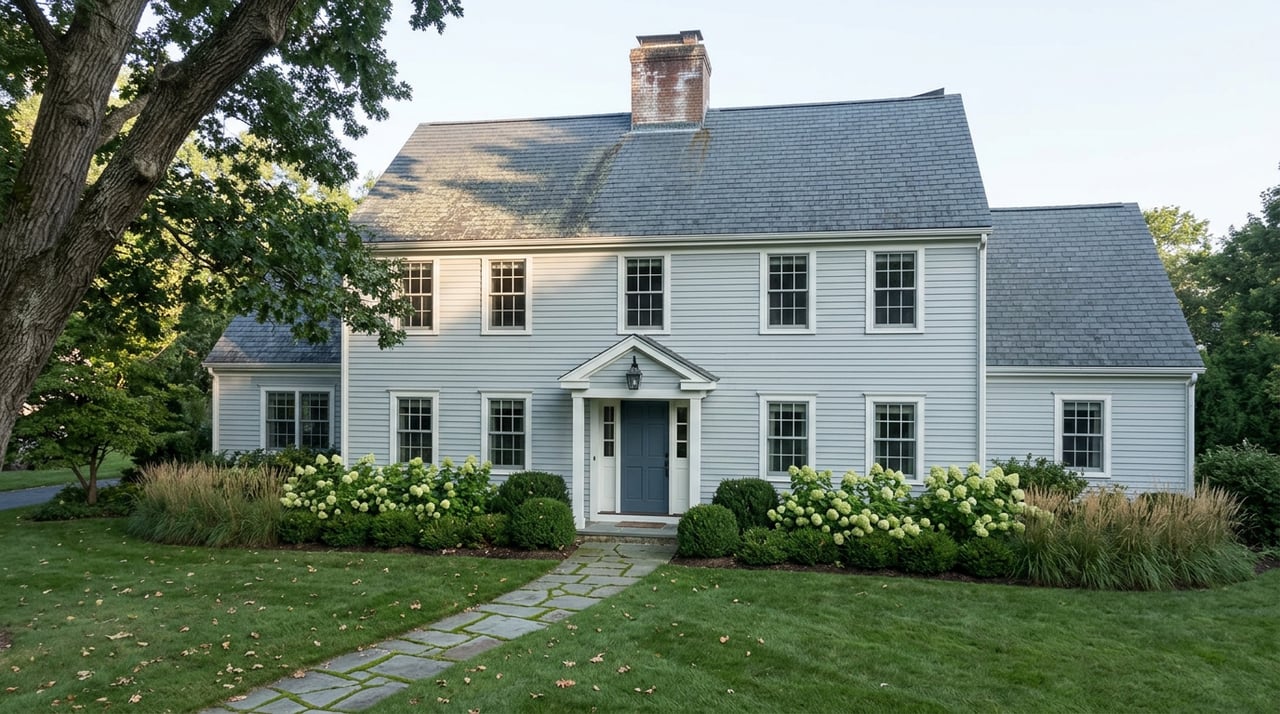
Selling a home in Grosse Pointe Farms is rarely as simple as putting a sign in the yard and waiting for offers. Buyers here often pay close attention to condition, presentation, and pricing because the city is known for its quality housing stock and established architectural character. If you want to sell with fewer surprises and a stronger strategy, this guide will walk you through what matters most from pricing to closing. Let’s dive in.
Start With the Grosse Pointe Farms Market
Before you decide on repairs, timing, or an asking price, it helps to understand the local market you are stepping into. Grosse Pointe Farms is recognized by Wayne County for the quality of its housing stock, and the city’s planning direction emphasizes preserving architectural character and improving resilience. That means buyers are often looking at more than square footage alone.
Recent market snapshots show why a local strategy matters. Realtor.com described Grosse Pointe Farms as a balanced market in March 2026, with 24 homes for sale, a median listing price of $707,000, a median of 28 days on market, and a 100% sale-to-list ratio. Redfin reported a March 2026 median sale price of $495,000, 49 median days on market, and noted that many homes receive multiple offers, with some hot homes going pending in around 7 days.
Those numbers may differ because each source uses its own method, but the takeaway is the same. Correct pricing matters, and a home that is well prepared can still move quickly.
Price Your Home With Comps
The asking price should come from recent comparable sales, your home’s condition, and current local trends. It should not be based on a hopeful number or a price you need in order to make your next move work. A pricing strategy has to make sense to buyers and to lenders, since appraisals also rely on comparable sales.
If your goal is to sell efficiently, competitive pricing usually gives you the best chance of attracting strong interest early. A home that enters the market at the right price often has a better chance of drawing serious buyers before the listing starts to feel stale. In a market like Grosse Pointe Farms, that early momentum can make a real difference.
This is where hyper-local guidance matters. Similar-looking homes can sell very differently depending on updates, lot characteristics, layout, and how well they align with buyer expectations in that part of the city.
What strong pricing considers
- Recent comparable sales in Grosse Pointe Farms
- Current competition from active listings
- Your home’s condition and update level
- Buyer demand and showing activity
- Appraisal support for the final contract price
Gather Records Before You List
A smooth sale often starts with paperwork. Before your home goes live, collect records related to permits, the roof, HVAC systems, plumbing or electrical upgrades, major repairs, and any drainage-related improvements. These documents help answer buyer questions quickly and can reduce delays later.
This step is especially important in Grosse Pointe Farms because buyers may look closely at how a home has been maintained over time. The city has also addressed flooding concerns through major infrastructure work, including a nearly $40 million sewer separation project intended to reduce basement flooding. Because of that context, buyers may pay close attention to water history, drainage improvements, and any related repairs.
If you have documents organized from the start, you can present your home as well cared for and easier to understand. That builds confidence.
Fix Surprises Before Buyers Find Them
One of the smartest pre-listing moves is to identify issues before they show up during the buyer’s inspection. A pre-listing inspection or a contractor walkthrough can help you spot the problems most likely to affect value or negotiations later. Common concerns often include the roof, plumbing, electrical, HVAC, structural items, and drainage.
This does not mean you need to renovate everything. It means you should know where your home stands so you can decide what is worth repairing, what should be disclosed, and what may be priced into the sale.
In Grosse Pointe Farms, that preparation can be especially helpful. Local zoning review materials show that additions, garages, and setbacks are closely scrutinized, so buyers may also look carefully at whether changes to the property appear properly handled and documented.
Smart pre-listing steps
- Schedule a pre-listing inspection or contractor walkthrough
- Repair safety or functionality issues first
- Review older additions or exterior changes for documentation
- Keep receipts and service records in one place
- Decide which cosmetic updates will improve presentation
Prepare the Home for Showings
Presentation is part of the pricing story. Buyers often decide how they feel about a home within moments of walking in, and staging can help them picture how the space may function for them. According to the National Association of Realtors staging guidance in the research report, 83% of buyer’s agents say staging makes it easier for buyers to visualize the property as their future home.
In Grosse Pointe Farms, the goal is usually not to make the home feel trendy or overdesigned. The stronger approach is to make it feel maintained, coherent, and move-in ready. Clean lines, open surfaces, and a calm presentation often support that impression.
Before every showing, focus on the basics that help buyers see the home clearly. Declutter, depersonalize, deep clean, and clear counters and surfaces. Those simple steps can make rooms feel larger, brighter, and more usable.
Showing prep checklist
- Remove excess furniture and personal items
- Deep clean kitchens, baths, floors, and windows
- Clear counters, tables, and entry areas
- Open blinds and turn on lights as needed
- Keep exterior entry points neat and well maintained
Review Michigan Disclosures Early
Disclosures should be handled before marketing begins, not after an offer lands. Michigan’s Seller Disclosure Act applies to most 1 to 4 unit residential sales and requires a written disclosure before the seller signs a binding purchase agreement. If the disclosure is delivered late, the buyer may have a limited right to terminate.
The form is not a warranty, but it does ask about known conditions and issues. That includes questions related to basement or crawl-space water. In a community where drainage and flooding history may matter to buyers, it is important to review the property’s history carefully and answer honestly.
Early disclosure review helps you avoid last-minute scrambling. It also gives your agent time to help you present the home clearly and consistently from the start.
If your home was built before 1978
If your home was built before 1978, federal lead-based paint rules may also apply. In most cases, sellers must disclose known lead-based paint hazards and available records, provide the required pamphlet, and give buyers an opportunity for a lead inspection before they become obligated under the contract.
Launch Your Listing Strategically
Once your home is ready, marketing and access play a major role in how the listing performs. In a market where some homes receive multiple offers and some move quickly, your first days on market matter. Buyers need to be able to see the home easily, and the listing needs to present the property at a high level from day one.
This is where strong local representation can create an advantage. Shana Sine Cameron combines deep Grosse Pointe market knowledge with premium digital marketing, polished listing presentation, and dependable execution across price points. For sellers, that means your home can be positioned with both local insight and broad visibility.
A good launch is not just about attracting attention. It is about attracting the right buyers, quickly, with a clear and compelling presentation.
Evaluate Offers Beyond Price
When offers come in, the highest number is not always the best outcome. Price matters, but so do financing strength, contingencies, inspection risk, appraisal risk, and closing timeline. A cash offer, for example, may reduce financing delays and simplify the path to closing.
If you receive more than one offer, it helps to compare the full picture. A slightly lower offer with fewer contingencies or a better fit for your timeline may be stronger than a higher offer with more uncertainty.
This is another place where experienced negotiation matters. The goal is not just to accept a good number. It is to choose the offer most likely to close on the terms that work for you.
Adjust Quickly if Interest Is Soft
Not every listing gets immediate traction, and that does not always mean something is wrong with the home. Sometimes the price is a little high for the current market. Sometimes the presentation needs work, or buyers are reacting to condition in ways that were not obvious before launch.
If showings are light or offers are not coming in, it is usually better to revisit price and presentation quickly instead of waiting too long. Homes that sit on the market can lose momentum, and buyers may begin to wonder why. A timely adjustment often protects your final result better than prolonged hesitation.
Plan for Wayne County Closing Costs
As you get closer to closing, it is important to understand one of the clearest seller-side costs in Wayne County: transfer tax. The Wayne County Register of Deeds states that transfer tax must be paid when a document transferring an interest in real property is recorded. The rate is calculated at $0.55 per $500 for the county plus $3.75 per $500 for the state, which equals $8.60 per $1,000 of consideration.
That cost should be built into your expected net proceeds early. It is much easier to make clear decisions when you understand what you are likely to walk away with after closing.
Why coordination matters at closing
Wayne County also notes that recording rules are strict. In most transactions, the title company and, when involved, attorneys and lenders coordinate the final paperwork so the deed, payoff figures, transfer tax, and closing statement all match the contract terms.
For you as the seller, the practical lesson is simple. Early coordination helps reduce avoidable closing delays.
Why Preparation Wins in Grosse Pointe Farms
In Grosse Pointe Farms, selling well is usually less about hype and more about thoughtful preparation. Buyers here can be selective, and many pay close attention to maintenance, condition, and how a home fits the surrounding character of the neighborhood. When you combine accurate pricing, clean presentation, complete disclosures, and organized closing prep, you give yourself a much stronger position.
That is also why working with a trusted local advisor matters. You want someone who understands the nuances of the Farms, knows how to position homes across price points, and can guide you through each step with clarity and care.
If you are thinking about selling in Grosse Pointe Farms and want a tailored plan for your home, connect with Shana Sine Cameron for a personalized consultation.
FAQs
What is the first step to selling a home in Grosse Pointe Farms?
- The first step is to review the local market and build a pricing strategy based on comparable sales, your home’s condition, and current competition.
How should sellers price a home in Grosse Pointe Farms?
- Sellers should price a home using recent comparable sales, condition, and local market trends so the price makes sense to buyers and supports the appraisal process.
What repairs matter most before listing a Grosse Pointe Farms home?
- Roof, plumbing, electrical, HVAC, structural items, and drainage concerns are often important to review before listing because they commonly affect inspections and negotiations.
What disclosures are required when selling a home in Michigan?
- For most 1 to 4 unit residential sales, Michigan requires a written seller disclosure before the seller signs a binding purchase agreement, including disclosure of known issues such as basement or crawl-space water.
Do pre-1978 homes in Grosse Pointe Farms need lead paint disclosure?
- Yes, in most cases sellers of pre-1978 homes must disclose known lead-based paint hazards and records, provide the required pamphlet, and allow buyers an opportunity for a lead inspection before contract obligation.
What closing costs should sellers expect in Wayne County?
- Sellers should plan for transfer tax in Wayne County, calculated at $8.60 per $1,000 of consideration, along with other closing figures coordinated through the title company and lender.