Thinking about a move to Grosse Pointe? If you want a community that feels established, connected, and easy to navigate day to day, the City of Grosse Pointe often makes the shortlist for a reason. From housing style and commute options to parks, schools, and timing your move, this guide will help you understand what to expect before you make your next step. Let’s dive in.
Why buyers consider Grosse Pointe
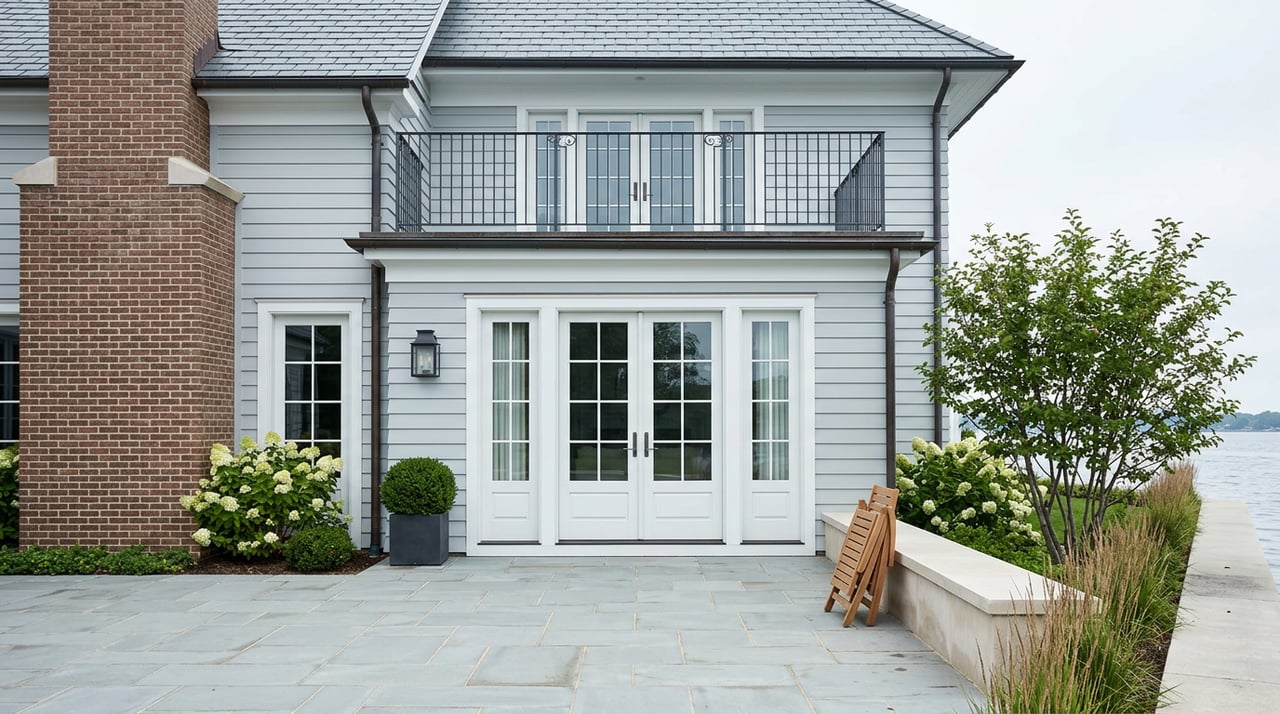
The City of Grosse Pointe is a small lakeshore community along Lake St. Clair with an estimated population of 5,526 and just 1.06 square miles of land area, according to the U.S. Census Bureau. That small footprint is part of the appeal. You get a compact residential setting with an established feel rather than a spread-out suburb.
It is also a largely owner-occupied community. The Census estimates an 84.2% owner-occupied housing rate, which supports the sense that many buyers here are looking for long-term fit, not just a quick stop. If you are relocating from outside Metro Detroit, that can be helpful context when comparing Grosse Pointe with other nearby communities.
What daily life feels like
One of the easiest ways to understand the City of Grosse Pointe is to think in terms of convenience and character. The city describes itself as a close-knit residential community with tree-lined streets, lakeside recreational facilities, and a retail district on its official website. That combination tends to appeal to buyers who want neighborhood feel without giving up access to errands, dining, and services.
The local shopping area, often referred to as the Village, adds to that experience. The Grosse Pointe Chamber describes it as a walkable district with boutiques, national brands, and cafés. For many relocators, that means you can handle part of your routine locally while still being connected to the broader Grosse Pointe area.
How the Pointes work together
If you are new to the area, it helps to know that Grosse Pointe is not just one place in everyday conversation. The Chamber describes the Pointes as five municipalities with distinct business districts. That matters because dining, shopping, services, and recreation are spread across several nearby communities rather than centered in one large retail hub.
In practical terms, you may live in the City of Grosse Pointe but regularly visit nearby districts in Grosse Pointe Farms, Grosse Pointe Park, or Grosse Pointe Woods. For a relocation move, that broader regional pattern can make your daily options feel bigger than the city’s small size suggests.
Commute and access
For many buyers, commute planning is one of the biggest relocation questions. The Census reports a mean commute time of 23.4 minutes for the City of Grosse Pointe. That number gives you a useful starting point, but your own experience will depend on where you work and whether you drive, use transit, or mix both.
The area also has regional bus access. SMART’s current system includes routes serving the Grosse Pointe area, and the research report notes routes 610 Kercheval/Harper, 615 Jefferson, and 635 Jefferson Express. If you are comparing finalists across Metro Detroit, it is smart to look at both your road route and your transit backup plan.
The city is also positioned within reach of Detroit and surrounding employment centers. That can make it appealing if you want a more compact residential environment while staying connected to the larger metro area.
Housing styles and neighborhood character
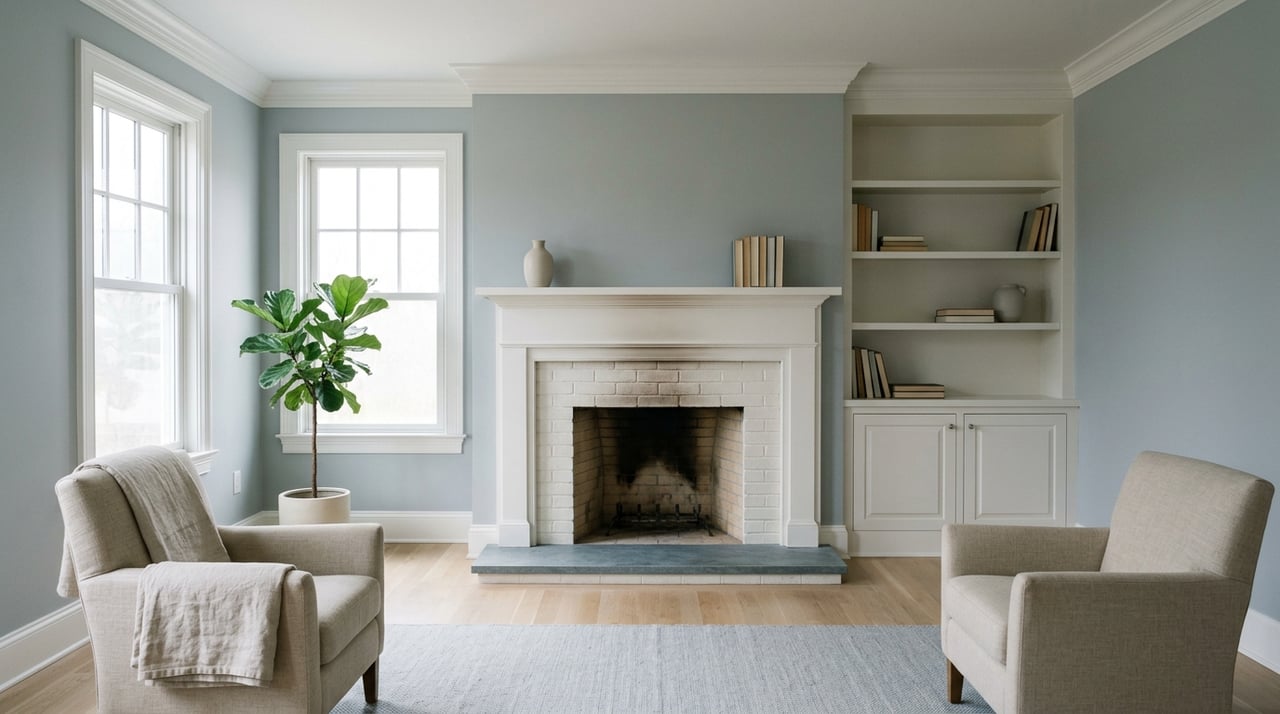
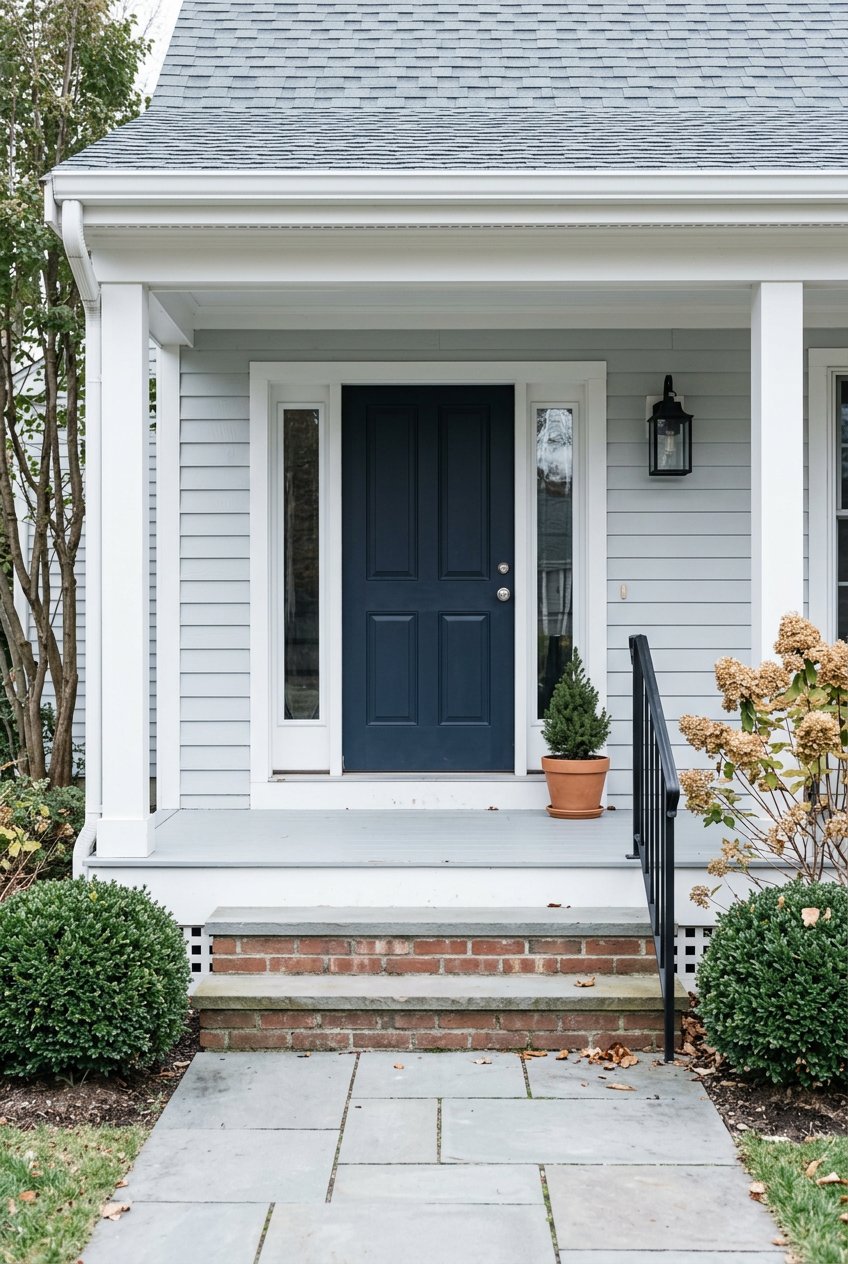
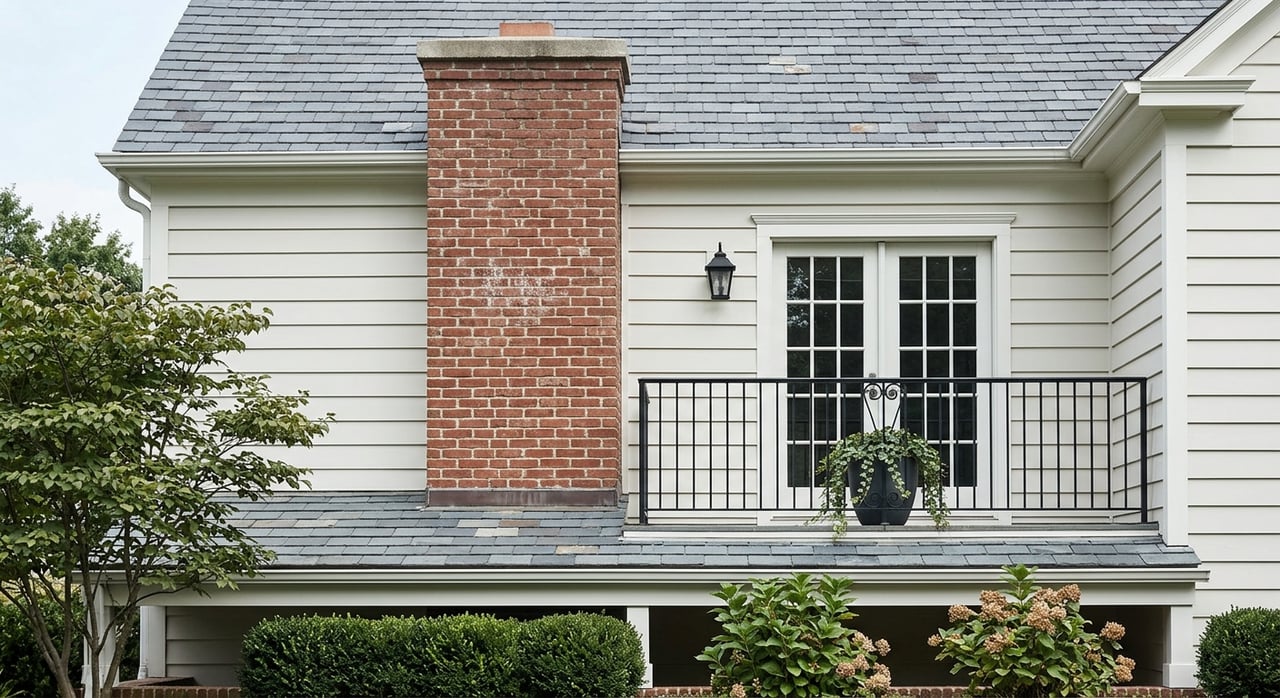
One of the strongest draws for buyers relocating to the City of Grosse Pointe is the housing character. The city’s design guidance points to French and English architectural roots and highlights early-20th-century homes along with styles such as Tudor, Colonial, French Country, Victorian, Italianate, Gothic, and Queen Anne.
That architectural identity shapes the feel of the community. If you are moving from a newer-build market, you may notice that homes here often offer established design details, mature streetscapes, and a more traditional main-street setting near the Village district.
Because housing stock is tied so closely to character, it helps to know what matters most to you early in your search. Some buyers prioritize walkability to the Village, while others focus more on layout, lot, architectural style, or proximity to schools and commute routes.
What the market looks like
Relocating buyers should go in with a realistic view of pricing and inventory. According to the research report, Zillow’s home value index places the average home value in Grosse Pointe at $456,221 as of November 30, 2025, with a median list price of $483,283. Realtor.com’s March 2026 overview shows 44 active listings, a median list price of $484,000, and a median of 62 days on market.
At the same time, the Census reports a lower median value for owner-occupied homes at $391,800, reflecting an earlier 2019 to 2023 estimate rather than current listing activity. The key takeaway is simple: market data can look different depending on the source and time frame. If you are relocating, you will want to evaluate current listings and timing, not just older broad averages.
In a market like this, inventory can feel selective. Many buyers benefit from monitoring options early, narrowing priorities fast, and being prepared to act when the right home becomes available.
Parks and recreation details
Outdoor amenities are part of the lifestyle appeal, but it is important to understand how access works. Neff Park is resident-pass based and includes seasonal features such as a pool that operates from Memorial Day weekend through Labor Day weekend. That is a great amenity for residents, but it is not the same as an open public park system with unlimited general access.
Elworthy Field includes a tot lot, tennis and pickleball courts, soccer fields, and ball diamonds. Recreation use is managed in coordination with the city and school district, so permits, scheduling, or residency rules may apply depending on the facility.
If recreation access matters to your move decision, ask specific questions early. It is helpful to understand what requires residency verification, what is seasonal, and how your household would actually use these amenities after move-in.
Schools and move timing
For many relocating households, school planning shapes everything from neighborhood choice to closing timeline. The Grosse Pointe Public School System states that it does not participate in School of Choice, which means a parent or guardian must live within district boundaries for enrollment. The district also reports a 96% graduation rate.
The most important practical point is not just the district itself, but timing. If school enrollment is part of your move, you may need to line up your home search, contract dates, and closing schedule carefully so your address is in place when needed.
Even if schools are not part of your move, district boundaries can still influence your housing search. They often shape buyer demand, neighborhood comparisons, and the pace at which some homes attract attention.
A realistic relocation timeline
Many buyers hope relocation can happen in a few weeks, but a more realistic timeline is often measured in months. Freddie Mac’s sample timeline suggests about 45 days for mortgage shopping, around 10 weeks to find a home, 1 to 2 days to make an offer, roughly 2 weeks for appraisal, and 30 to 60 days to close after contract, based on the Freddie Mac homebuying timeline.
The Consumer Financial Protection Bureau also notes that after your offer is accepted, you still need to handle lender document requests, inspection, homeowners insurance, title insurance, and final closing paperwork. In other words, even a smooth transaction includes several moving parts.
For many Grosse Pointe relocations, a 3 to 5 month scouting-to-keys window is a reasonable expectation. If you are also selling a current home, building in extra time can make the process much less stressful.
How to prepare before you move
If you are considering a move to the City of Grosse Pointe, a little planning can save a lot of time. Focus on the questions that affect your day-to-day life most.
Here are a few smart first steps:
- Define your commute routes and backup transit options.
- Decide whether architectural style or location matters more.
- Review school-boundary needs early if enrollment is part of your move.
- Ask how resident park access and recreation rules work.
- Track current inventory so you understand pricing and pace.
- Build a timeline that leaves room for financing, inspections, and closing.
These details may seem small at first, but they often shape how confident and efficient your relocation feels.
Why local guidance matters
Relocating is rarely just about finding a house. You are trying to understand how a place works, how quickly you need to act, and which details will matter most once you are living there.
In the City of Grosse Pointe, that often means balancing several factors at once: established housing stock, relatively limited inventory, school-boundary considerations, commute planning, and resident-based amenities. Having a local advisor can help you narrow your options, compare homes with better context, and keep your timeline organized from first tour to closing.
If you are planning a move to Grosse Pointe, working with a professional who knows the Pointes can help reduce friction and give you a clearer path forward. When you are ready to explore neighborhoods, current listings, or off-market opportunities, connect with Shana Sine Cameron for thoughtful, local guidance tailored to your move.
FAQs
What is the City of Grosse Pointe like for someone relocating?
- The City of Grosse Pointe is a small lakeshore community with tree-lined residential streets, a local retail district, and access to the broader Grosse Pointe area’s business districts and amenities.
How long does a relocation to Grosse Pointe usually take?
- A realistic relocation timeline is often about 3 to 5 months from early planning to closing, though your timing may vary if you are also selling a home or need to align with school dates.
What home styles are common in the City of Grosse Pointe?
- The city is known for early-20th-century homes and traditional architectural styles such as Tudor, Colonial, French Country, Victorian, Italianate, Gothic, and Queen Anne.
What should buyers know about schools in Grosse Pointe?
- The Grosse Pointe Public School System states that it does not participate in School of Choice, so residency within district boundaries is required for enrollment.
What should relocating buyers know about parks in Grosse Pointe?
- Some well-known amenities, including Neff Park, are resident-pass based, and certain recreational facilities may require permits, scheduling, or residency verification.
How competitive is the Grosse Pointe housing market?
- Current market snapshots in the research report suggest buyers should watch inventory closely, compare pricing by source and date, and be ready to act when a suitable home becomes available.