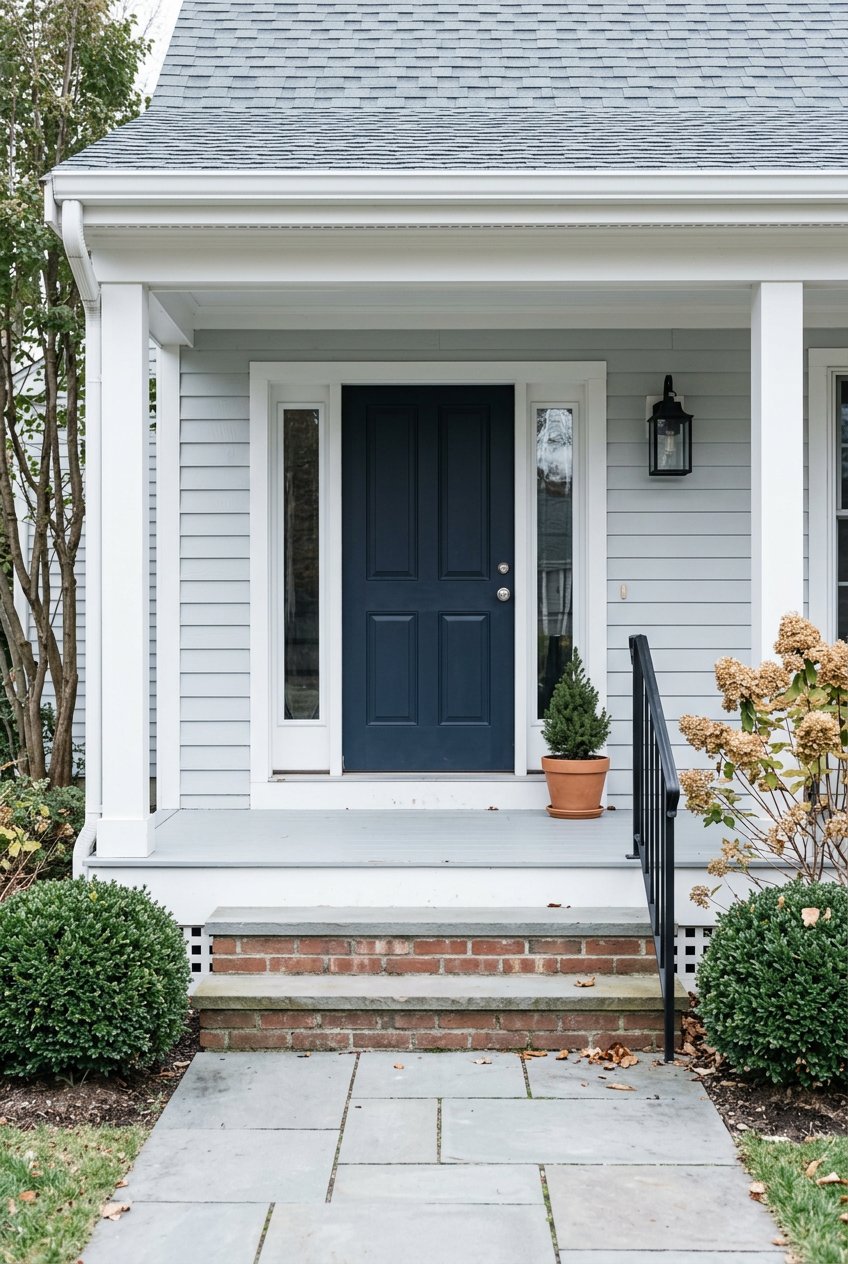
Trying to decide which Grosse Pointe Park home truly fits your life? With historic architecture, lake access, and distinct pockets from Windmill Pointe to the Cabbage Patch, your options are rich but nuanced. You want the right blend of space, budget, maintenance, and lifestyle. In this guide, you’ll learn how single‑family homes, duplexes, and condos compare, how location inside the Park affects daily life, and what rules and permits to expect before you renovate. Let’s dive in.
Grosse Pointe Park at a glance
Grosse Pointe Park sits just east of Detroit along Lake St. Clair, about 6 miles from downtown. Many residents enjoy a short commute of roughly 10 to 30 minutes depending on destination and time of day, with limited SMART bus service along main corridors. You get a close suburb feel with quick access to the city. For a quick location overview, see Wayne County’s community profile of Grosse Pointe Park.
The city is compact, about 2.17 square miles of land, with an estimated population of 11,158 as of July 1, 2024. Housing ranges from early 1900s single‑family streets to duplexes and small multifamily buildings, plus a smaller share of condominiums. You will also find grand lakefront estates along Windmill Pointe and Three Mile Drive. Explore the latest population snapshot on the U.S. Census QuickFacts page for Grosse Pointe Park.
Families often consider Grosse Pointe Park for its location within the Grosse Pointe Public School System (GPPSS). Commonly cited feeder patterns include Defer Elementary and Pierce Middle, with many Park addresses leading to Grosse Pointe South High School. Always confirm a property’s school assignment using the GPPSS boundary resources.
Home types you’ll compare
Historic single‑family homes
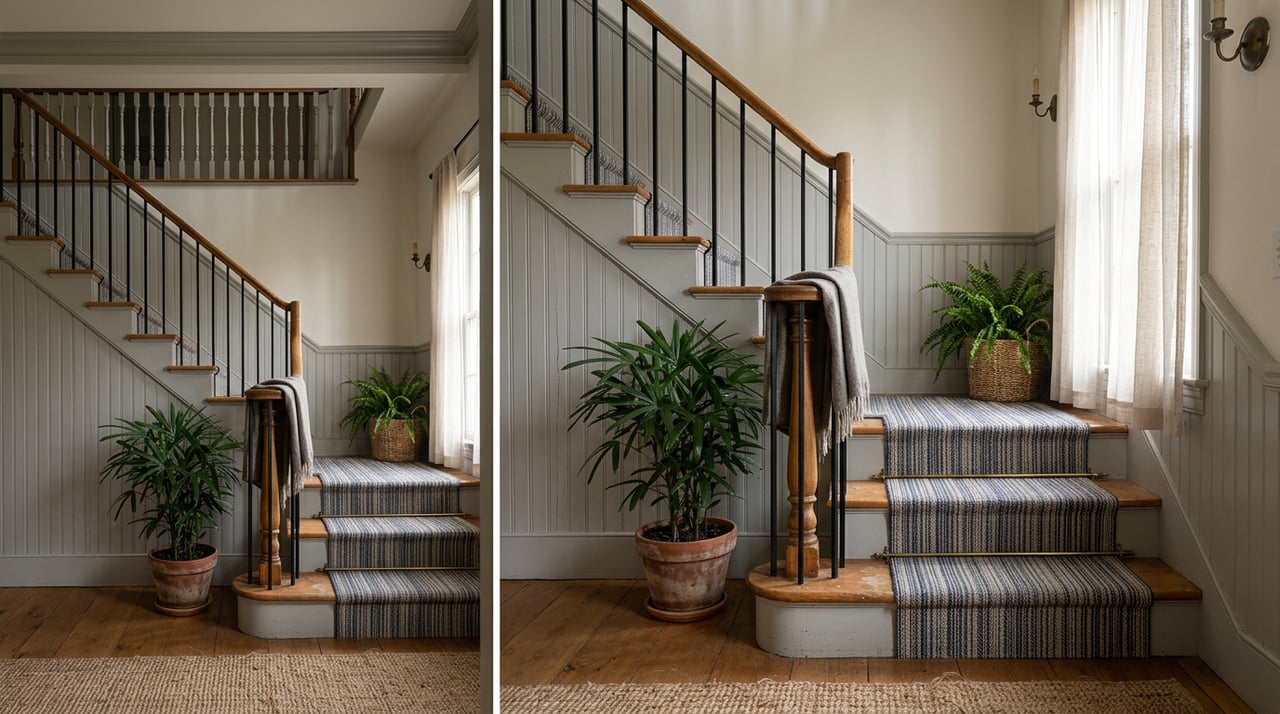
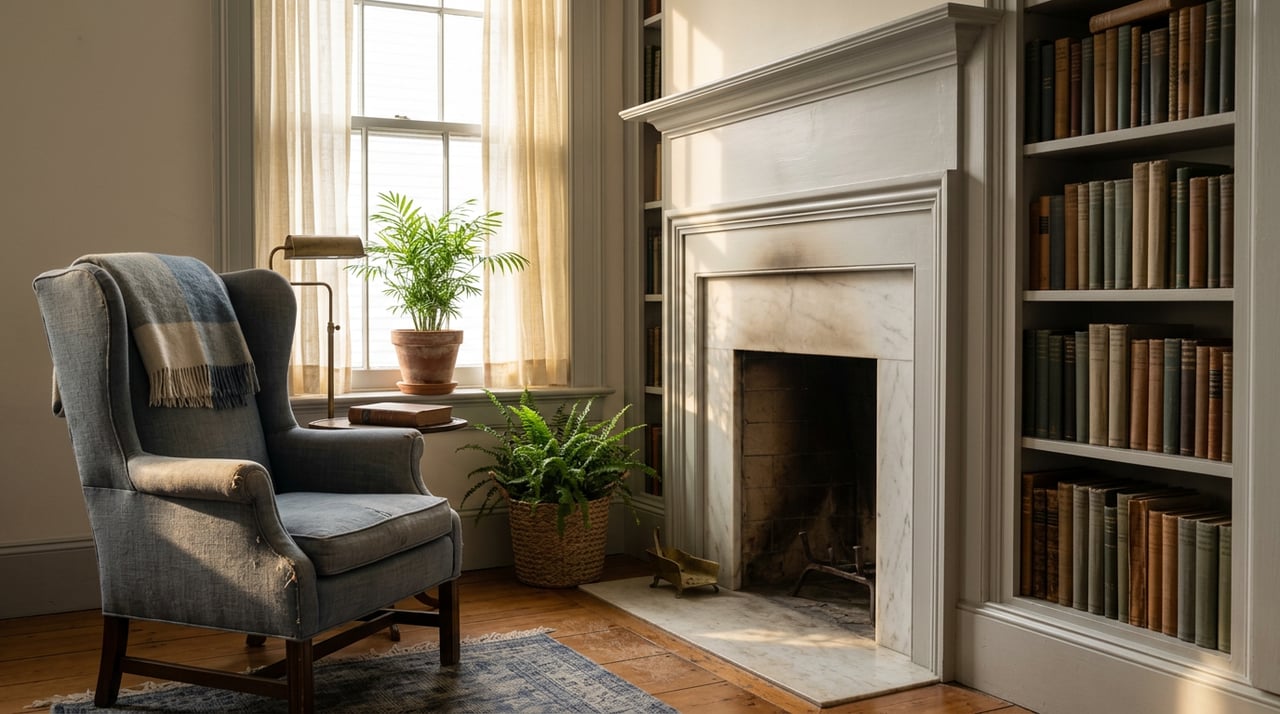
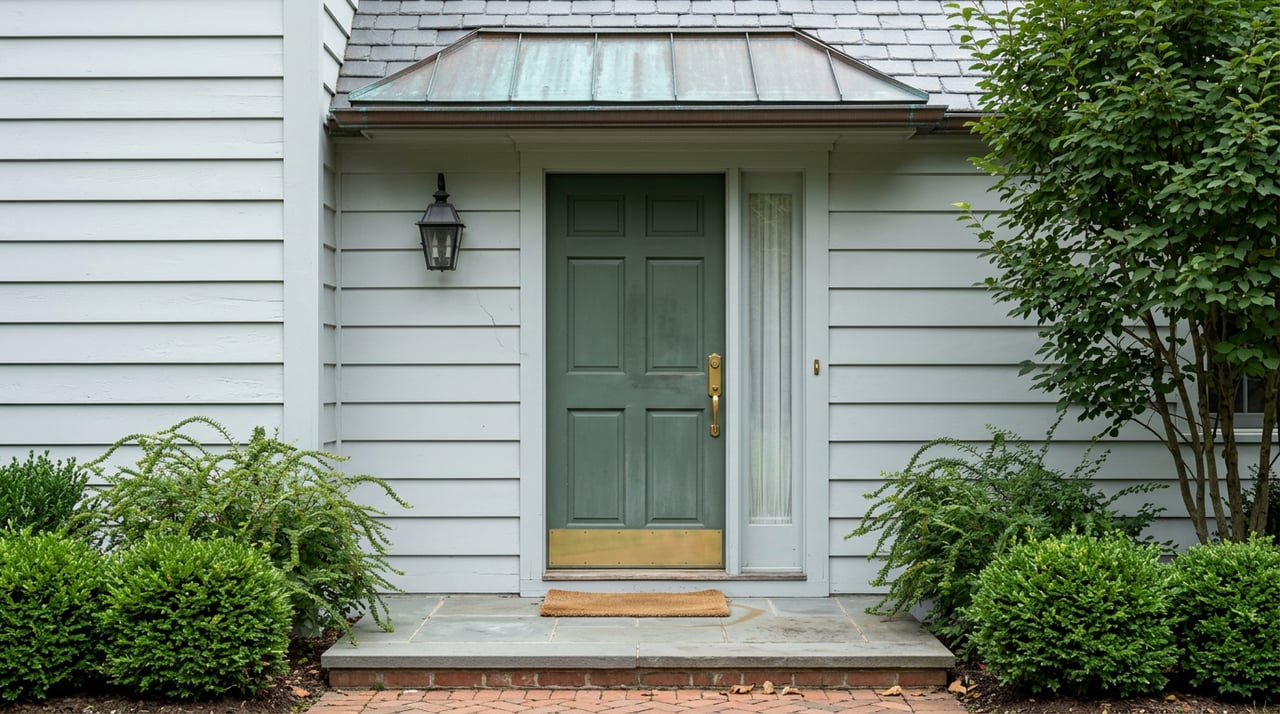
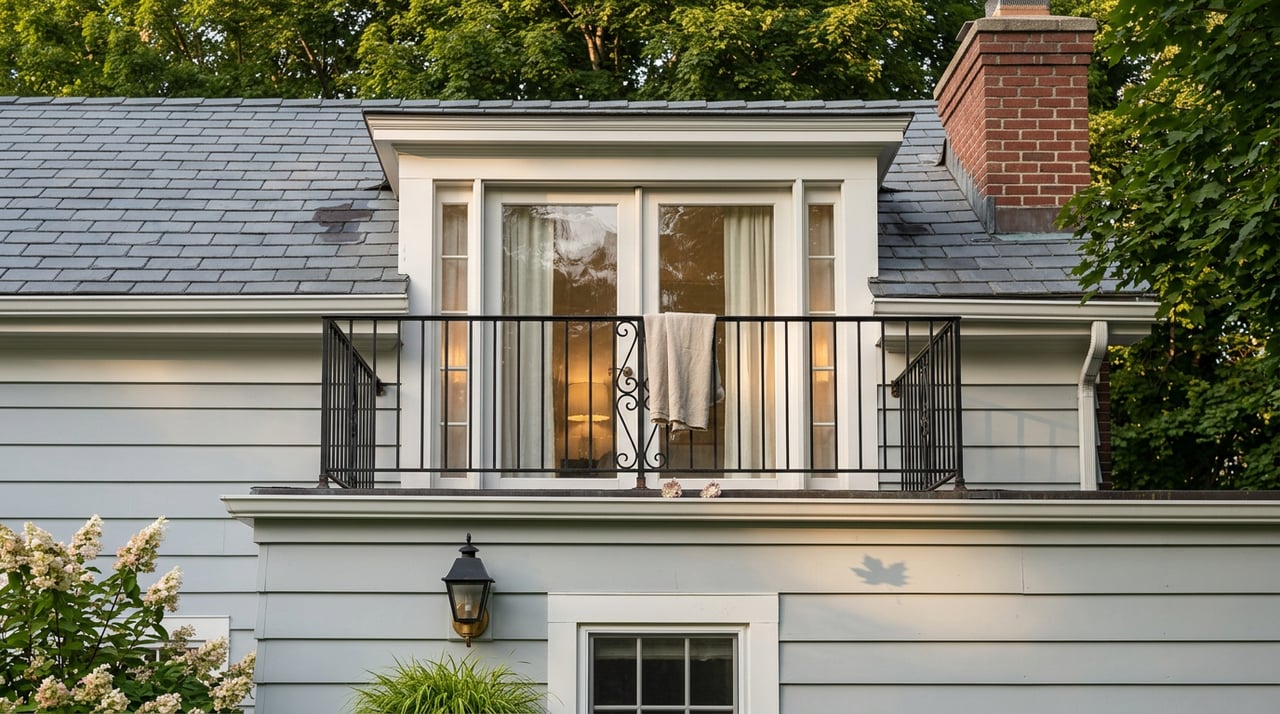
Most Park streets feature early 1900s to 1940s architecture, including Colonial Revival, Tudor, Georgian, and Arts & Crafts styles. Expect high ceilings, rich trim, and generous room sizes. Many homes have been updated, yet you should plan for possible modernization of mechanicals. The local housing character even includes notable homes like the William and Mary Stratton House, a reminder of the Park’s architectural depth.
What you trade: older systems can require attention, and large lots mean more maintenance. What you gain: classic architecture, interior volume, and proximity to parks and established streetscapes.
Duplex and small multi‑family
Two‑family and small multi‑unit buildings cluster mostly on the city’s west side in and around the area long nicknamed the Cabbage Patch. Lots are smaller and the blocks are more walkable to Kercheval and Mack corridors. This pattern appeals if you value convenient commutes and mixed‑use surroundings. The Cabbage Patch name and history are well documented by local sources.
What you trade: less yard space and more mixed‑use nearby. What you gain: a lower price per unit than many single‑family options, potential rental income, and close access to everyday amenities.
Condos and townhouses
Condos exist but make up a smaller share of inventory in the Park. They appeal if you want low exterior maintenance and predictable association rules. You will want to review HOA documents, reserves, and any special assessments, especially for buildings near the lake where common elements can face extra wear.
How location shapes daily life
Waterfront and Windmill Pointe
Windmill Pointe, Three Mile Drive, Barrington, and certain lake‑adjacent streets offer larger lots, lake views, and access to marina and pool amenities via the city’s park system. Lot sizes range widely, from smaller interior parcels to large lakefront estates. As one real‑world example, a Westchester Road property has been cited at near‑acre scale in recent listing activity. Waterfront living often comes with higher taxes, more maintenance, and specific shoreline considerations.
West side walkability and the Kercheval corridor
The west side, including the Cabbage Patch, puts you near shops, restaurants, and services. Streets here mix smaller single‑family homes, duplexes, and small apartment buildings. If you want a shorter drive into Detroit and a more walkable day‑to‑day routine, this area is worth a close look.
Commute and transit
From most Park addresses, downtown Detroit sits about 6 to 7 miles away. Drive times vary with traffic, often 10 to 30 minutes. SMART provides limited fixed‑route bus service on key corridors. Always confirm the latest schedules before planning a transit‑heavy routine.
Parks, passes, and amenities
Windmill Pointe Park and Patterson Park are gated and managed through the city’s Park Pass program. A pass is required for access to features such as the pool, marina, and theater. Buyers who expect open public waterfront access should plan for the resident‑pass system and application steps.
Renovation and rules to plan for
Permits, inspections, and Certificates of Occupancy
Grosse Pointe Park requires building permits for most renovations, including additions, decks, garages, pools, HVAC, and plumbing work. The city maintains an online permitting portal and lists fees, including occupancy inspection fees. A Certificate of Occupancy is required at ownership change. Before you plan a project, contact the Building Department and review permit and inspection steps.
Zoning, ADUs, and variances
In December 2024, the city adopted an updated zoning ordinance and corresponding zoning map. These rules define minimum lot area and width, setbacks, residential building forms, accessory structures, and a process for accessory dwelling units. If you want to add a carriage unit, convert space to an ADU, or confirm duplex use, you must verify the property’s zoning district and follow the ordinance procedures, including any site plan submittals and Zoning Board of Appeals variance processes.
Historic‑home checkups to budget for
- Lead paint: If a home was built before 1978, federal law requires disclosures and safe practices when disturbing painted surfaces. Consider a lead risk assessment if small children or pregnant household members are involved. Learn more about lead disclosures from the EPA.
- Electrical: Older wiring types, including knob and tube, can trigger insurer requirements and safety concerns. Have a licensed electrician review panels and branch wiring during inspections.
- Plumbing, HVAC, and envelope: Many older homes still carry galvanized piping, original boilers, limited insulation, and older windows. Near the lake, humidity can increase corrosion and moisture risks. Build a budget line for electrical and plumbing upgrades, improved insulation, and window or roof work. The Building Department encourages concept meetings before large projects.
Flood and shoreline considerations
For lakefront or low‑lying parcels, check FEMA flood maps and ask the city about shoreline setbacks and foundation considerations. Waterfront homes may require specific insurance, shoreline stabilization, and dock or boathouse permitting. Start with FEMA’s Flood Map Service Center to understand a property’s baseline risk.
Possible local grants and design review
From time to time, the city’s TIFA or related programs offer residential improvement grants. If you plan exterior work, expect to follow design review steps and public processes as required by ordinance and program rules. Monitor the city’s Residential Grant Program page for current opportunities and deadlines.
Quick checklists to compare homes
Single‑family historic homes
- Wants: larger rooms, architectural detail, yard, proximity to schools and waterfront parks.
- Inspect or ask: roof and HVAC age, wiring type, lead paint risk if pre‑1978, moisture or past flooding signs, lot dimensions and whether lots were combined, zoning district and any nonconforming conditions.
- Approvals: verify permit history, Certificate of Occupancy at ownership change, and any prior design review or variances noted by the city.
Duplex or small multi‑family
- Wants: rental income potential, separate entrances, typically lower cost per unit than many single‑family homes.
- Inspect or ask: parking capacity and any permit needs, appropriate fire and code separation between units, whether two‑family use is allowed in the district, inspection requirements for multi‑unit upgrades.
- Approvals: confirm allowed density in the zoning schedule, and verify the property’s Certificate of Occupancy identifies the correct number of units.
Condos and townhouses
- Wants: lower exterior maintenance, clear HOA rules and services.
- Inspect or ask: HOA financials and reserve studies, any special assessments, and conditions that may affect common elements near the lake.
- Approvals: understand association review timelines, rule changes in progress, and insurance requirements for buyers.
Real‑life buyer scenarios
- Family that wants yard space and lake‑weekend convenience: Focus on Windmill Pointe and nearby east‑side streets within GPPSS boundaries. Expect larger lots, resident‑pass parks, and higher maintenance. Check flood exposure via FEMA maps and verify zoning before planning additions.
- Commuter who values walkability: Explore smaller homes or townhouses on the west side near Kercheval and Mack. You gain short drives into Detroit and easy access to daily amenities, with smaller lots and more mixed‑use surroundings.
- Buyer who wants flexible household income: A duplex or a single‑family with space for an ADU can work, but only if the zoning allows it. Plan for an application to the Building Official and possible public review. Do not make offers assuming a conversion is allowed without verifying the district rules.
Your next steps
- Clarify your must‑haves. Rank space, yard size, maintenance level, and access to parks or walkable blocks.
- Pick your location lens. If you want lake amenities and larger lots, focus east near Windmill Pointe and Patterson Park. If you want convenience and budget efficiency, compare the Cabbage Patch and west‑side streets near Kercheval.
- Verify rules early. Pull the zoning district and read the ADU and accessory structure sections relevant to your address. Check permit and Certificate of Occupancy steps.
- Plan inspections with older‑home specialists. Include electrical, lead risk where applicable, plumbing, HVAC, insulation, windows, roof, and moisture.
- Check flood maps if you are near the shoreline. Ask about insurance and shoreline stabilization needs for waterfront homes.
- Review school boundaries if that is a priority. Always confirm assignments directly with GPPSS.
When you are ready to compare live listings, off‑market options, and neighborhood nuances block by block, connect with Shana Sine Cameron to map the right fit and move forward with confidence.
FAQs
What home types will I find in Grosse Pointe Park?
- You will see mostly historic single‑family homes, plus duplexes and small multifamily buildings near the west side, and a smaller share of condos and townhouses.
How do resident‑only parks work in Grosse Pointe Park?
- Windmill Pointe Park and Patterson Park require a resident Park Pass for access to amenities like the pool and marina, with an application process managed by the city.
Do I need a permit to renovate or add a garage or deck?
- Yes. Most projects, including additions, garages, decks, pools, HVAC, and plumbing, require permits. A Certificate of Occupancy is also required at ownership change.
Can I add an ADU or convert to a duplex?
- It depends on your zoning district. The updated zoning ordinance outlines where ADUs and two‑family uses are allowed and the process for variances or special approvals.
How close is Grosse Pointe Park to downtown Detroit?
- The city sits about 6 to 7 miles from downtown. Typical drive times range from roughly 10 to 30 minutes based on traffic and destination.
What should I budget for with an older home?
- Plan for potential electrical updates, plumbing replacements, insulation, window or roof work, and lead‑safe practices for pre‑1978 homes. Waterfront humidity can increase maintenance needs.