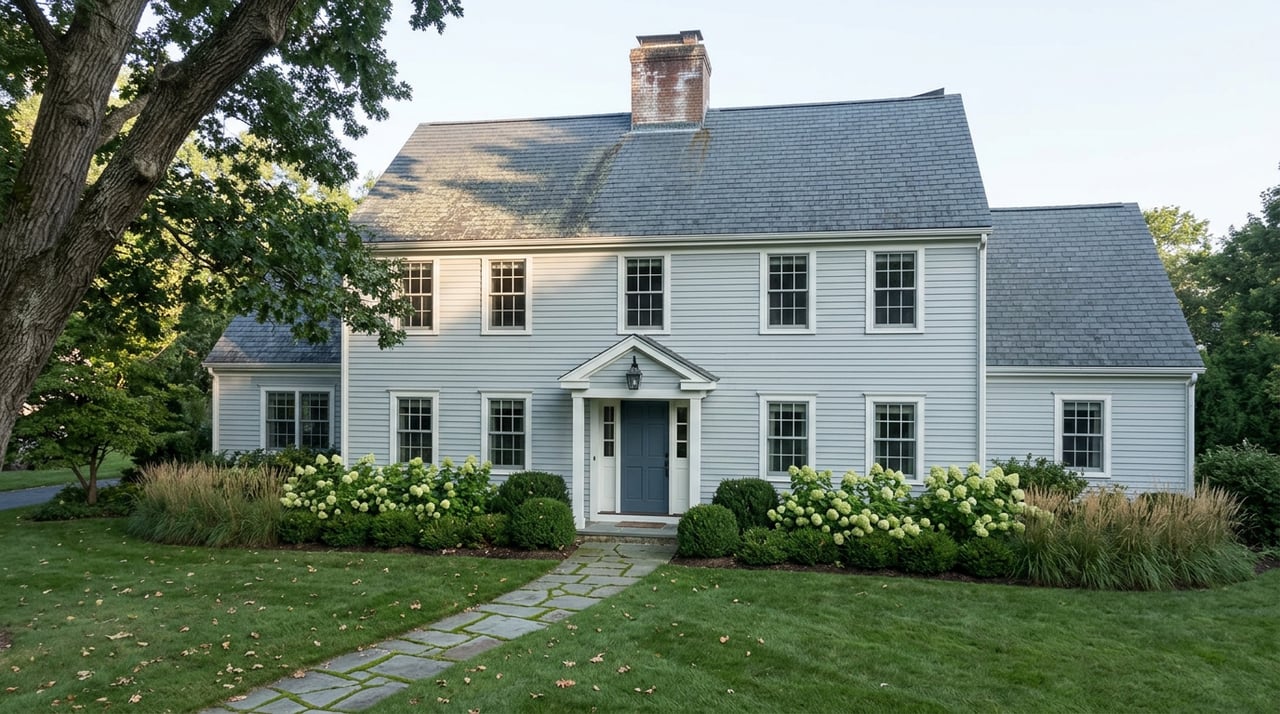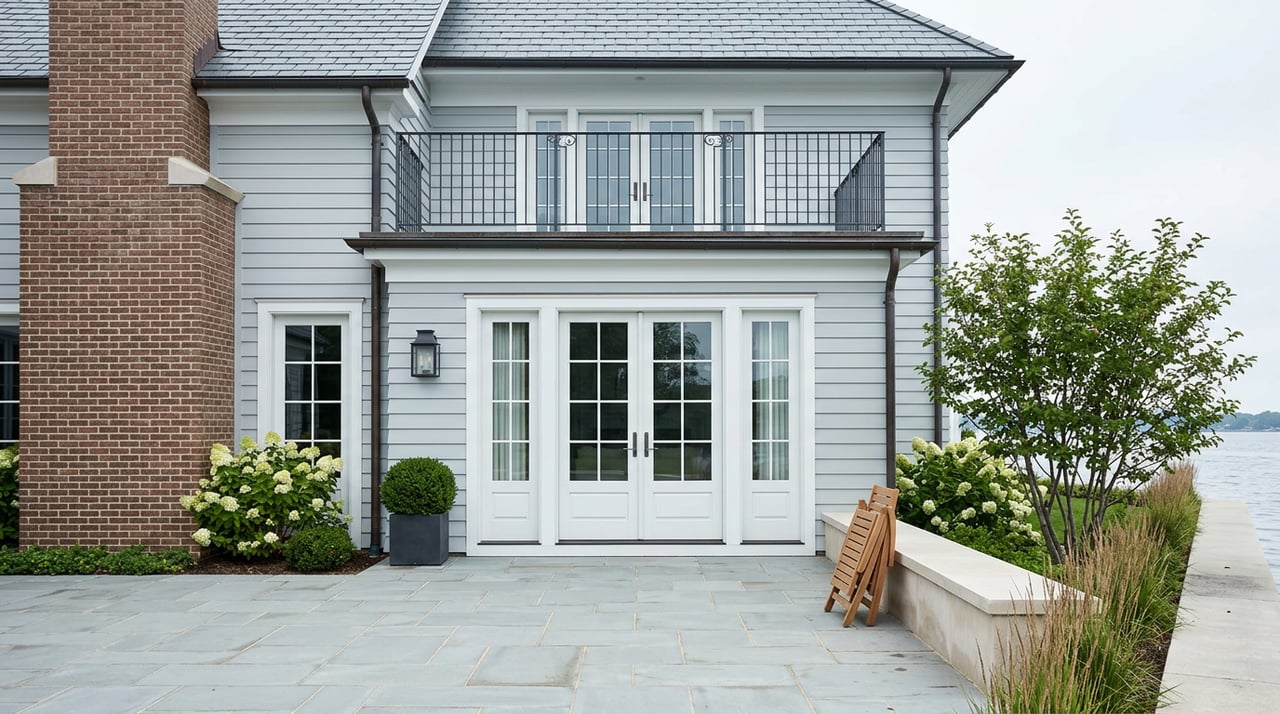
Picture your mornings on Lake St. Clair, coffee in hand as the sun rises over the water. Buying a waterfront home in Grosse Pointe Shores can deliver that daily scene, but success comes from knowing the rules, the shoreline realities, and the right steps to protect your investment. In this guide, you’ll learn the essentials: zoning that shapes rebuild potential, permits that matter, seasonal and maintenance costs, and a practical plan to buy with confidence. Let’s dive in.
Why Grosse Pointe Shores waterfront
The Village of Grosse Pointe Shores sits on Lake St. Clair northeast of Detroit and spans both Wayne and Macomb counties. It operates under its own charter and maintains a municipal park and harbor along Lake Shore Road. You get a true lake lifestyle with a close-knit village feel and direct access to boating and shoreline recreation. For a quick community snapshot, see the county’s profile of the village on the Wayne County website.
The village’s lakefront is lined with estate-size parcels, mid‑century homes, and newer custom builds, many with private seawalls, generous lawns, and sweeping water views. You also have a municipally managed harbor and a nearby private club harbor, which can be valuable if your property does not include its own dock or if you prefer managed moorage.
Market snapshot at a glance
Grosse Pointe Shores is one of Metro Detroit’s higher-end markets. As of January 2026, the village’s median sale price hovered around $1.1 million, and lakefront homes often trade well above that number. Because the village is small, a few luxury closings can move the median, so it is smart to evaluate recent comparables and property-specific features rather than relying on one average.
On the water, frontage, usable yard between the house and lake, and the presence and condition of shoreline structures all influence value. If you plan to rebuild or expand, zoning and setbacks will be just as important as square footage.
What defines a lakefront lot here
Frontage and exposure
Lots along Lake Shore Road often run long and relatively narrow toward the lake. You’ll want to confirm measured frontage on the deed and survey and understand how the property is oriented to sunrise and prevailing winds. Orientation can influence both your daily views and your exposure to waves and spray during storms. A current survey is essential to confirm property lines and shoreline boundaries before you finalize terms.
Home styles and age
Inventory ranges from early 20th‑century estates to mid‑century residences and newer infill construction. That variety makes inspections especially important. Older homes may show wear from lake exposure at the foundation and exterior; newer builds may have modern systems, but you still want a close look at materials, drainage, and any shoreline work.
Shoreline structures
You will often see private seawalls or riprap, docks or piers, and sometimes a boat well or boathouse. These features add lifestyle and value, but only when properly permitted and maintained. Ask for permit history and final inspection documents for any seawall, dock, dredging, or shoreline grading. If you intend to rely on municipal moorage, review the village’s Municipal Park and Harbor Rules for well assignments, seasonal operations, and waitlist details before you write an offer that assumes a slip.
Rules and permits to verify
Zoning basics for lakefront lots
Grosse Pointe Shores has a “Residence Lakefront” zoning district with rules that shape what you can build and where. Key standards include a minimum lot area of 20,000 square feet, a minimum lot width of 100 feet, lot coverage limits around 25 percent in residential districts, and explicit lake-shore setback measures. These standards affect your buildable area, accessory structures, and future expansion plans. Review the village’s zoning provisions summarized in this planning code document and confirm details with the municipal office during due diligence.
State and federal shoreline permits
In Michigan, most in-water or water’s-edge work requires permits. Permanent docks, seawalls or bulkheads, riprap, and significant re-grading at the shoreline commonly need a Joint Permit through the state’s EGLE program and often a U.S. Army Corps of Engineers review. Use EGLE’s Joint Permit decision tree to identify work that triggers permits, and request copies of approved permits and final inspections as part of your offer.
Public trust and the OHWM
Michigan recognizes public trust rights along the Great Lakes up to the ordinary high water mark. This affects what upland owners may do at the water’s edge and whether any foreshore area is subject to public use. Read the Michigan Supreme Court’s guidance on the ordinary high water mark and public trust. To avoid surprises, obtain a current survey and, if needed, a shoreline boundary determination so both parties agree on the upland fee line.
Flood zones and insurance
Check the property’s status on FEMA Flood Insurance Rate Maps. If the parcel lies in a Special Flood Hazard Area, your lender will typically require flood insurance. Even when insurance is not required, an Elevation Certificate and a flood-risk review can be smart to secure accurate coverage and peace of mind. The Federal Register explains how FEMA’s map determinations work for local communities.
Seasonal and maintenance factors
Water levels, waves, and ice
Lake St. Clair’s water levels and short-term wave conditions change seasonally and with storms. Higher levels and storm-driven waves can stress seawalls and docks, accelerate erosion, and affect your usable lawn area. The lake is monitored by NOAA, and you can review local benchmarks and water-level context on NOAA’s Lake St. Clair page as part of your evaluation.
Erosion control choices
Hard armoring such as vertical seawalls can protect a shoreline but may shift erosion impacts to adjacent areas. Hybrid approaches, like combining a seawall with a riprap toe or using bioengineering in lower-energy zones, can soften impacts and support habitat. Michigan Sea Grant outlines municipal shoreline policy considerations and best practices in its coastal resilience resource hub. Whatever you choose, plan for permits, engineering, and long-term maintenance.
Seawall and dock budgets
Costs vary widely by material, access, length of shoreline, and contractor availability. Public cost sources and trade references often show a spectrum from several tens of dollars per linear foot for basic riprap to several hundred dollars per linear foot for engineered concrete or steel bulkheads. Use these figures as broad context only, and get site-specific quotes before you commit. For ballpark ranges and factors, review this overview of seawall cost drivers.
Your step-by-step buying plan
Pre-offer prep
- Get pre-approved with a lender experienced in higher-value or waterfront loans. Unique lots and custom homes can complicate appraisals, so you want the right lending partner.
- Choose a local agent with hands-on Grosse Pointe Shores waterfront experience. You will benefit from local insight on setbacks, permits, and current harbor practices.
- Request the seller’s shoreline packet early. Ask for permits, final inspections, seawall or dock repair records, and any harbor or well assignments.
Smart contingencies
- Full home inspection, plus moisture and foundation checks near the waterline.
- Licensed land survey showing boundary, measured frontage, and any easements.
- Marine contractor or structural engineer review of the seawall, revetment, and dock, including expected service life and whether work was permitted.
- Geotechnical or civil engineer review if you see significant shoreline fill or plan major work.
- Title search that flags easements, shared access, or assessments.
- Flood zone confirmation and an Elevation Certificate where applicable.
- Appraisal contingency that acknowledges unique lakefront comparables.
Daily life checklist
- Confirm municipal harbor well availability, seasonal rules, and any waitlists before your offer if moorage is essential. Start with the village’s harbor rules.
- Plan for winterization, including dock removal or adjustments, and service cycles for exterior finishes and mechanicals exposed to lake humidity and spray.
- If you intend to add or modify a dock or seawall, run your concept through EGLE’s Joint Permit decision tree and consult the village before you finalize plans.
Quick due-diligence checklist
- Confirm which county the parcel is in and note the correct parcel number.
- Order a current survey that shows measured frontage, the ordinary high water mark, and any recorded easements.
- Request copies of EGLE, U.S. Army Corps, and municipal permits for docks, seawalls, dredging, or shoreline grading.
- Schedule a full home inspection and targeted shoreline reviews from qualified specialists.
- Check FEMA flood map status and request an Elevation Certificate where needed; speak with your lender about flood insurance.
- Verify municipal harbor well availability and any club access rules if the purchase assumes moorage.
Work with a local waterfront pro
Buying on Lake St. Clair is a specialty purchase. The right guidance helps you avoid surprise repairs, protect your view and yard, and set up a smooth closing. If you want a clear plan and connected local representation, reach out to Shana Sine Cameron to talk through your goals and next steps.
FAQs
What permits do I need to add a dock or seawall in Grosse Pointe Shores?
- Most in-water and shoreline work requires a state EGLE Joint Permit and sometimes U.S. Army Corps review; ask sellers for past permits and use EGLE’s decision tree to confirm.
How do Lake St. Clair water levels affect my purchase?
- Higher levels and storms can stress seawalls and docks and change usable lawn areas; review NOAA data and have a marine contractor assess shoreline condition and exposure.
Are beaches or shoreline walks private in Grosse Pointe Shores?
- Michigan recognizes public trust rights up to the ordinary high water mark on the Great Lakes, so confirm the upland fee line and any public trust area with a survey.
Will my lender require flood insurance for a lakefront home?
- If the home is in a Special Flood Hazard Area on FEMA maps, lenders typically require flood insurance; even outside those zones, consider an Elevation Certificate and coverage.
What does a seawall or bulkhead typically cost to repair or replace?
- Costs vary widely by material, access, and length, ranging from several tens to several hundred dollars per linear foot; get site-specific engineering and contractor quotes.
What zoning rules apply to Grosse Pointe Shores lakefront lots?
- The Lakefront district sets minimum lot area and width, lot coverage limits, and lake-shore setbacks; confirm your buildable area and any accessory structure limits with the village.