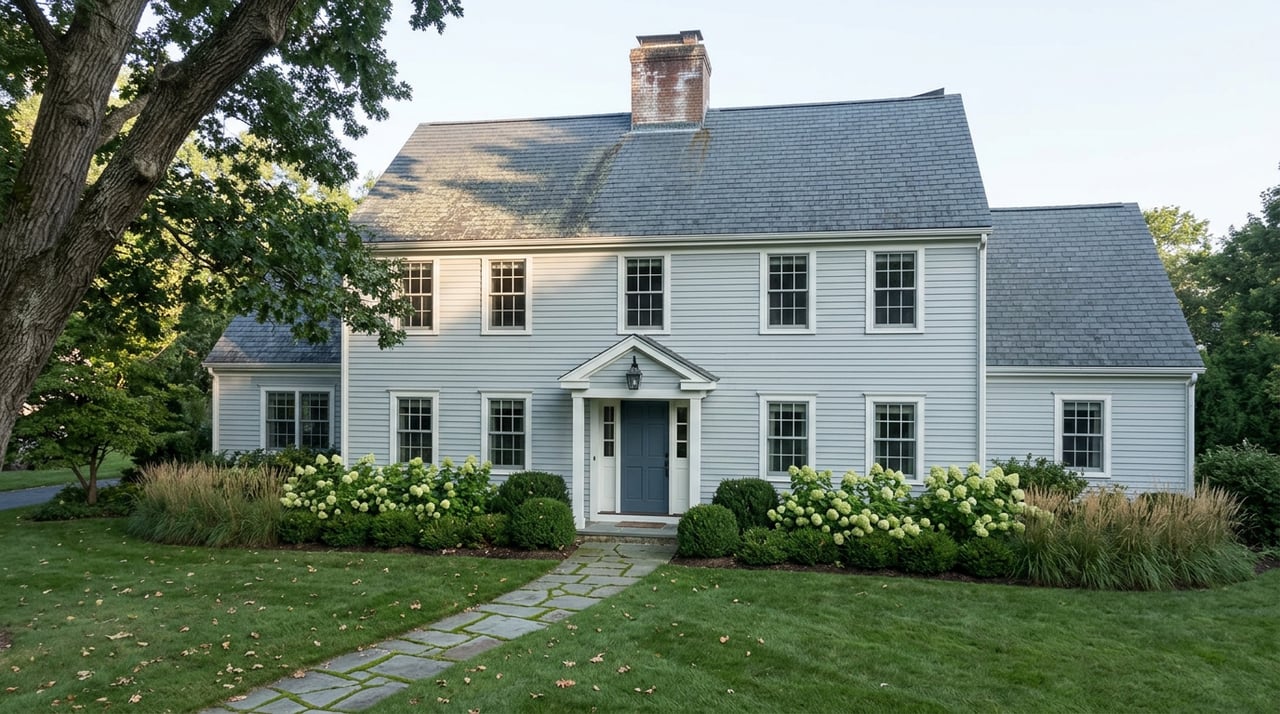
If you love life in Grosse Pointe Farms but your current home no longer fits the way you live, you are not alone. Many local homeowners reach a point where they need more space, less upkeep, a different layout, or a better setup for the years ahead, but they do not want to leave the community they know. The good news is that moving within the Farms can solve those needs while keeping your routines, relationships, and local connections intact. Let’s look at what makes a stay-in-Farms move unique and how to plan it well.
Why moving within Grosse Pointe Farms makes sense
Grosse Pointe Farms is a stable, owner-occupied community with deep roots. Wayne County notes that the city became a city in 1949, and Census QuickFacts shows a 2024 population estimate of 9,794, an owner-occupied housing rate of 96.6%, a median owner-occupied home value of $442,000, and a median household income of $161,208.
That stability matters when you are thinking about moving up without moving away. Census QuickFacts also shows that 91.9% of residents lived in the same house one year earlier, which reflects a market where many people stay put for long periods. In a place like this, moving within the city is often less about leaving and more about adjusting your home to fit your next season of life.
How one Farms move can feel very different from another
One of the biggest misconceptions about moving within Grosse Pointe Farms is that every option feels roughly the same. In reality, the city’s 2023 Master Plan points to a goal of preserving architectural character while increasing housing diversity, which supports the idea that homes inside the city can vary in meaningful ways.
That variation can show up in lot size, garage setup, outdoor maintenance, and how the home functions day to day. The city’s planning materials note, for example, that Mapleton lots are about 45 by 75 feet and are among the smallest in the city. So even if you stay in the same city, you may be choosing between a smaller-lot lifestyle and a property with a very different maintenance profile.
Think beyond square footage
A move-up decision is not always about getting a larger house. Sometimes the better move is a home with a more practical first-floor layout, better storage, a more manageable yard, or space that works better for guests, hobbies, or caregiving.
The city’s Board of Zoning Appeals materials even reference an accessible first-floor bedroom for caregivers. That is an important local example because it shows that some homeowners are making in-town moves for accessibility or aging-in-place reasons, not just for a change in size or style.
What to compare between one address and another
When you tour homes in Grosse Pointe Farms, it helps to compare more than finishes and bedroom counts. A local move can bring major changes to your daily maintenance needs and long-term comfort.
Focus on practical differences such as:
- Lot size and yard upkeep
- Garage access and parking function
- First-floor living options
- Basement condition and drainage patterns
- Storage and flexibility for changing household needs
- Whether the home fits a short-term or long-term plan
Pay close attention to drainage and basement history
This is especially important in Grosse Pointe Farms. The city’s annual report says the Inland District Sewer Separation Project was prompted by chronic basement, street, and surface flooding. That means drainage, grading, and basement history are worth reviewing carefully when you compare properties.
Two homes in the same city can have very different conditions in this area. If you are moving locally, use your familiarity with the community as an advantage, but still ask detailed questions about water management and how the property has performed.
Choosing your move strategy
For most homeowners, the hardest part of moving within the Farms is not deciding where to go. It is figuring out the order of events. Should you sell first, buy first, overlap for a short period, or negotiate extra time in the home after closing?
The right answer depends on your finances, timeline, and tolerance for uncertainty. Here is how to think about the main options.
Sell first
Selling first can give you a clear budget for your next purchase. You know what your proceeds look like, and that can reduce financial stress when you shop for the next home.
The tradeoff is timing. You may need temporary housing or a flexible possession plan if your next home is not ready when your current sale closes.
Buy first
Buying first can work well if you want more control and do not want to feel rushed into your next purchase. This approach may be appealing if the right Farms home is hard to find and you want to secure it before listing your current property.
The challenge is carrying two homes at once, even if only for a short time. That is where financing strategy and tax timing become especially important.
Use bridge financing for a short overlap
The Consumer Financial Protection Bureau treats a bridge loan as a temporary loan of 12 months or less used to finance a new dwelling while the borrower plans to sell a current dwelling within 12 months. In plain terms, this can help you buy the next home before your current one sells.
This option can create breathing room, but it needs careful planning. If you are considering this route, the sale timeline, carrying costs, and overall closing sequence need to be lined up from the start.
Negotiate a rent-back
A rent-back means the seller stays in the home for a specified period after closing. That can be useful if you sell your current Farms home first but need extra time before moving into your next one.
For a local move, a rent-back can reduce stress and help you avoid a rushed transition. It can also make it easier to coordinate movers, repairs, and possession dates while staying close to your normal routine.
Michigan tax details that matter during a local move
When you move from one Grosse Pointe Farms home to another, Michigan principal-residence rules matter. To claim the exemption on your new home, you must file Form 2368 with the local assessor. The usual filing deadlines are June 1 for the summer levy or November 1 for the winter levy, and the home must be owned and occupied as your principal residence.
If you are overlapping homes for a short period, there may be another planning tool to discuss. Michigan allows a conditional rescission for a previously exempt home if it is not occupied, is for sale, is not leased, and is not used for business or commercial purposes, provided you have established a new principal residence in Michigan and complete the required annual verification.
This is one reason the timing of your move matters so much. If you are buying before selling, your tax paperwork should be part of the plan, not an afterthought.
Wayne County closing and recording steps
Your move timeline also needs to account for county recording requirements. Wayne County says transfer tax must be paid at recording unless an exemption applies, and the deed must be tax-certified by the county treasurer before recording.
Wayne County states the transfer tax rate is $0.55 per $500 for the county plus $3.75 per $500 for the state, or $8.60 per $1,000. In addition, the settlement agent or closing company records the deed and mortgage documents with the county office at closing, which means your sale closing, purchase closing, and recording steps should be sequenced carefully.
Why sequencing matters
If you are trying to sell and buy in the same local market, even a small timing gap can affect moving dates, access, and cash flow. That is why local homeowners benefit from a plan that considers both transactions together instead of treating them as separate events.
A thoughtful strategy can help you avoid unnecessary overlap, reduce disruption, and keep your move on schedule.
School continuity can be a major advantage
For many households, one of the biggest reasons to stay in Grosse Pointe Farms is continuity. Grosse Pointe Public School System says it does not participate in School of Choice and requires families to live within the district boundary to enroll.
Brownell Middle School is in Grosse Pointe Farms, and Grosse Pointe South High School is located at 11 Grosse Pointe Boulevard in Farms. If staying connected to the same school system matters to your household, an in-town move can support that goal while still giving you a home that better fits your needs.
A smart local move starts with the right questions
Before you make a move within Grosse Pointe Farms, it helps to get clear on what is really driving the decision. The answer may be more space, less maintenance, a better first-floor layout, a different lot size, or a smoother setup for the future.
Ask yourself:
- Do you want more room or a better layout?
- Would a smaller lot make life easier?
- Do you need first-floor living or accessibility features?
- Are you comfortable selling first, or do you need to buy first?
- Would a bridge loan or rent-back make the timing easier?
- Have you planned for principal-residence paperwork and closing costs?
The clearer your priorities are, the easier it becomes to identify the right path.
If you are weighing a move within Grosse Pointe Farms, local knowledge matters. From block-to-block housing differences to timing, taxes, and closing coordination, a stay-local move can be more nuanced than it first appears. When you want a steady, informed plan for your next step, Shana Sine Cameron can help you navigate the process with clear advice and deep Grosse Pointe Farms experience.
FAQs
What does moving up without moving away in Grosse Pointe Farms mean?
- It means buying a different home within Grosse Pointe Farms to better match your current needs, such as more space, less upkeep, a different layout, or improved accessibility.
Why is moving within Grosse Pointe Farms different from moving to another area?
- Grosse Pointe Farms has a stable, owner-occupied housing market, meaningful variation in lot sizes and home function, and local factors like district residency, drainage concerns, and Michigan principal-residence rules that can shape your move.
What should I compare when choosing between homes in Grosse Pointe Farms?
- Look at lot size, maintenance needs, garage function, first-floor living options, basement and drainage history, storage, and how well the property fits your long-term plans.
How does a bridge loan work for a Grosse Pointe Farms move?
- A bridge loan is a temporary loan of 12 months or less that can help you finance a new home while you plan to sell your current home within 12 months.
What is a rent-back in a Grosse Pointe Farms home sale?
- A rent-back is an arrangement where you sell your home but stay in it for a specified period after closing, which can help if your next home is not ready yet.
What principal-residence paperwork matters when moving within Michigan?
- To claim the exemption on your new principal residence, you must file Form 2368 with the local assessor, usually by June 1 for the summer levy or November 1 for the winter levy.
Can I keep a principal-residence benefit on my old home while it is for sale in Michigan?
- Michigan allows a conditional rescission in certain cases if the prior home is not occupied, is for sale, is not leased, is not used for business or commercial purposes, and you have established a new principal residence in Michigan with annual verification.
Do Grosse Pointe Public Schools residency rules matter for a local move?
- Yes. Grosse Pointe Public School System says families must live within the district boundary to enroll, so staying within Grosse Pointe Farms can help preserve school system continuity for households that want to remain in the district.