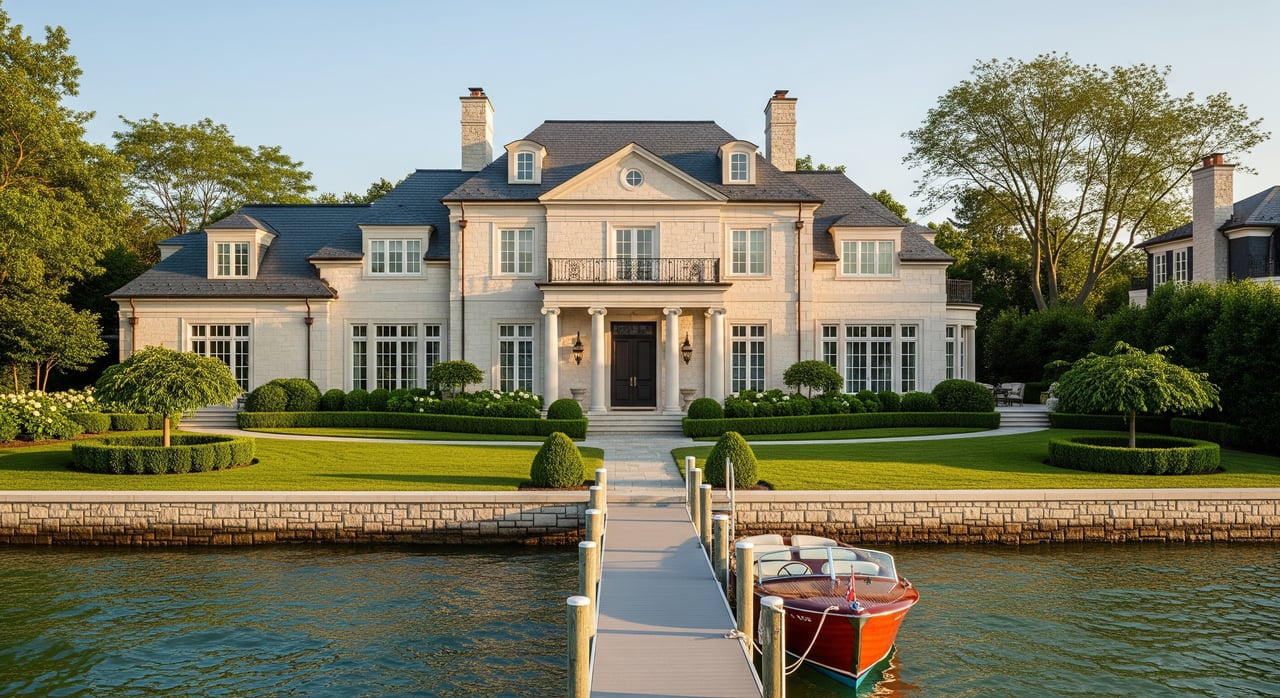
What if a single lakefront listing could shift the whole market picture? In Grosse Pointe Shores, especially on the Wayne County side, it often does. You want a clear read on prices, inventory, timing, and how lakefront homes behave without getting misled by tiny sample sizes. In this guide, you will learn how to read the numbers the right way, what drives value on the shoreline, and how to time your move. Let’s dive in.
How to read this market
Grosse Pointe Shores is a small market with low monthly sales. A single closing at the high end can swing median prices, so you should rely on 12‑month rolling figures rather than one‑month snapshots. Always ask for the sample size, since three or four sales can change the story. When you analyze the Shores, confirm you are looking at the Wayne County portion, since taxes and school districts can differ across the county line.
Inventory and months of supply
Inventory tells you how many options buyers have right now. Months of inventory, or MOI, puts that number in context by dividing active listings by the average monthly sales rate over the last 12 months. As a rule of thumb, under 3 months favors sellers, 3 to 6 is balanced, and over 6 favors buyers. In a small market like the Shores, two or three active listings can still translate to several months of supply if few homes sell each month.
What tight supply looks like
Tight supply often means buyers compete for well‑priced homes, especially in spring and early summer. Sellers can expect fewer days on market when their pricing fits recent comparables and the home shows well. If inventory rises into balanced territory, negotiation room grows, and buyers gain time to complete due diligence.
Prices and the lakefront premium
Use 12‑month rolling median sale prices to cut through noise. Then look at medians separately for two cohorts, waterfront and non‑waterfront, to see the lakefront premium. The delta will vary by frontage feet, shoreline condition, elevation, and dock rights. Because one unique lakefront closing can skew results, treat price per square foot as a rough lens rather than a decision tool.
Why lakefronts vary so much
Not all shoreline is equal. Frontage feet, seawall condition, dock capacity, and lot elevation influence both enjoyment and long‑term cost. Two homes of similar size can price very differently when one has newer shoreline improvements or deeper water access. That is why well‑matched waterfront comparables matter more than generic nearby sales.
Days on market and negotiation
Median days on market, or DOM, can diverge between waterfront and non‑waterfront. Waterfront homes may show longer DOM due to a smaller buyer pool and higher price points. Still, desirable, well‑priced listings can move quickly in peak season. The list‑to‑sale price ratio helps you gauge negotiation pressure, with stronger pricing power showing up as higher percentages of list.
Seasonality you can plan around
Activity in Grosse Pointe Shores follows a familiar shoreline rhythm. Listing activity typically climbs in late March through June. Buyer activity often peaks April through August, since many want to be in by boating season. From November through February, listings and showings slow, and buyers may find more room to negotiate if sellers are motivated.
Timing tips
Spring and early summer give sellers maximum exposure and curb appeal. Late summer and early fall can still work, especially if competition is thin. Winter can deliver committed buyers, yet you should expect longer DOM and price sensitivity. Buyers who shop off‑season may trade selection for stronger terms.
Local value drivers to check
- County and district details. Confirm county, taxes, and school district for each parcel, since Shores crosses county lines.
- Flood risk and insurability. Check your flood zone with the FEMA Flood Map Service Center to understand insurance needs and potential premium impacts. You can search your location on the FEMA Flood Map Service Center to verify flood zone status.
- Shoreline condition and rights. Seawall integrity, documented repairs, permits, and riparian rights all affect value and negotiability.
- Elevation and water levels. Historical Great Lakes water levels provide context for shoreline risk. Review long‑term trends from NOAA Great Lakes water levels to inform your due diligence.
- Utilities and access. Sewer versus septic, stormwater drainage, driveway and parking constraints can influence maintenance and livability.
Due diligence checklist
- Confirm parcel county, school district, and assessed value history.
- Review FEMA flood zone, elevation certificate if available, and historical high‑water context.
- Inspect seawall, dock, and shoreline permits, with repair documentation and warranties.
- Ask about shoreline erosion history and recent municipal shoreline guidance.
- Verify utility connections, drainage, and road access logistics.
- Request full seller disclosures and review carefully before removing contingencies.
- Obtain preliminary homeowners and flood insurance quotes early.
- Confirm setback rules, riparian rights, and dock regulations with the municipality.
- Identify HOA or community rules and dues when applicable.
Sellers: pricing and prep
- Price with true waterfront comps. Match shoreline traits like frontage feet, seawall condition, and dock capacity, not just interior size or finishes.
- Anticipate appraisal friction. For unique or high‑end waterfront properties, consider a pre‑listing appraisal or prepare a comps packet for appraisers.
- Get ahead on inspections. Seawall and roof reports, plus updates on electrical, plumbing, and environmental items in older homes, can reduce buyer friction and protect your net.
- Time your launch. List in spring or early summer for maximum exposure. If listing off‑season, plan for longer DOM and consider incentives that keep you in control of negotiations.
Buyers: how to compete wisely
- Ask for cohort data. Request separate waterfront and non‑waterfront medians and a 12‑month rolling view with sale counts so you see the full context.
- Budget beyond price. Include seawall maintenance, shoreline work, and flood insurance in your total cost of ownership.
- Structure strong offers. Consider appraisal and financing strategies that account for scarce comps. Larger earnest money or an escalation clause can help on high‑demand homes.
- Use specialized inspectors. Choose professionals familiar with seawalls, drainage, shoreline erosion, and docks.
- Verify rights and permits. Confirm dock ownership, seasonal rules, and municipal approvals before removing contingencies.
What to watch each month
- Active listings and months of inventory, calculated with a 12‑month sales average.
- 12‑month rolling median price for waterfront and non‑waterfront, with sale counts.
- Median days on market, noting listing season for context.
- List‑to‑sale price ratio by price band if sample size allows.
- New pendings and the pending ratio, since a single pending can change the outlook quickly.
Quick reference: waterfront buyers
- Confirm flood zone and obtain insurance quotes early.
- Inspect and document seawall, dock, and shoreline improvements.
- Review elevation and recent high‑water context.
- Validate riparian rights, permits, and setback rules.
- Build a budget for shoreline maintenance and long‑term improvements.
Quick reference: sellers
- Prepare a shoreline dossier with permits, repairs, and warranties.
- Pre‑schedule inspections for seawall and major systems.
- Align pricing with true waterfront comps, not generic nearby sales.
- Launch with premium presentation in peak season where possible.
Work with a local advisor
In a thin, lake‑influenced market like Grosse Pointe Shores, experience and data discipline matter. You need an advisor who separates signal from noise, markets your home with polish, and navigates appraisals, inspections, and shoreline rules without surprises. If you are considering a move, connect with Shana Sine Cameron for a focused plan based on rolling data, on‑market and off‑market access, and steady execution.
FAQs
Is Grosse Pointe Shores a buyer’s or seller’s market now?
- It depends on months of inventory based on 12‑month sales and current active listings, and small sample sizes mean conditions can shift quickly.
How much more do lakefront homes cost in the Shores?
- There is a premium, but it varies by frontage, seawall condition, elevation, dock rights, and other shoreline features, so review waterfront and non‑waterfront medians separately.
When should I list a lakefront home in Grosse Pointe Shores?
- Spring and early summer typically bring peak buyer activity, while winter can work with motivated buyers yet may mean longer days on market.
How important is the seawall to value and negotiations?
- Very important, since seawall condition affects safety, maintenance costs, insurability, and buyer confidence, which all influence price and terms.
How do flood insurance costs affect affordability here?
- Flood insurance can add meaningful annual cost on higher‑risk parcels, so obtain quotes early and factor premiums into your monthly housing budget.
Will appraisals be an issue for unique waterfront properties?
- Possibly, since comparable sales are scarce, so consider a pre‑listing appraisal or provide a strong waterfront comps package to support value.